What Is Trench Crusade, Really?
If you’re not yet familiar with Trench Crusade and what it’s all about, the simplest way to put it is this: it’s World War I… except Hell has literally opened.
Humanity is fighting demonic beasts because the gates of Hell have been torn apart, and what came through has no intention of going back. This is no longer just a war between armies — it’s a war between humanity and damnation itself. And you can feel that in every detail of the game.
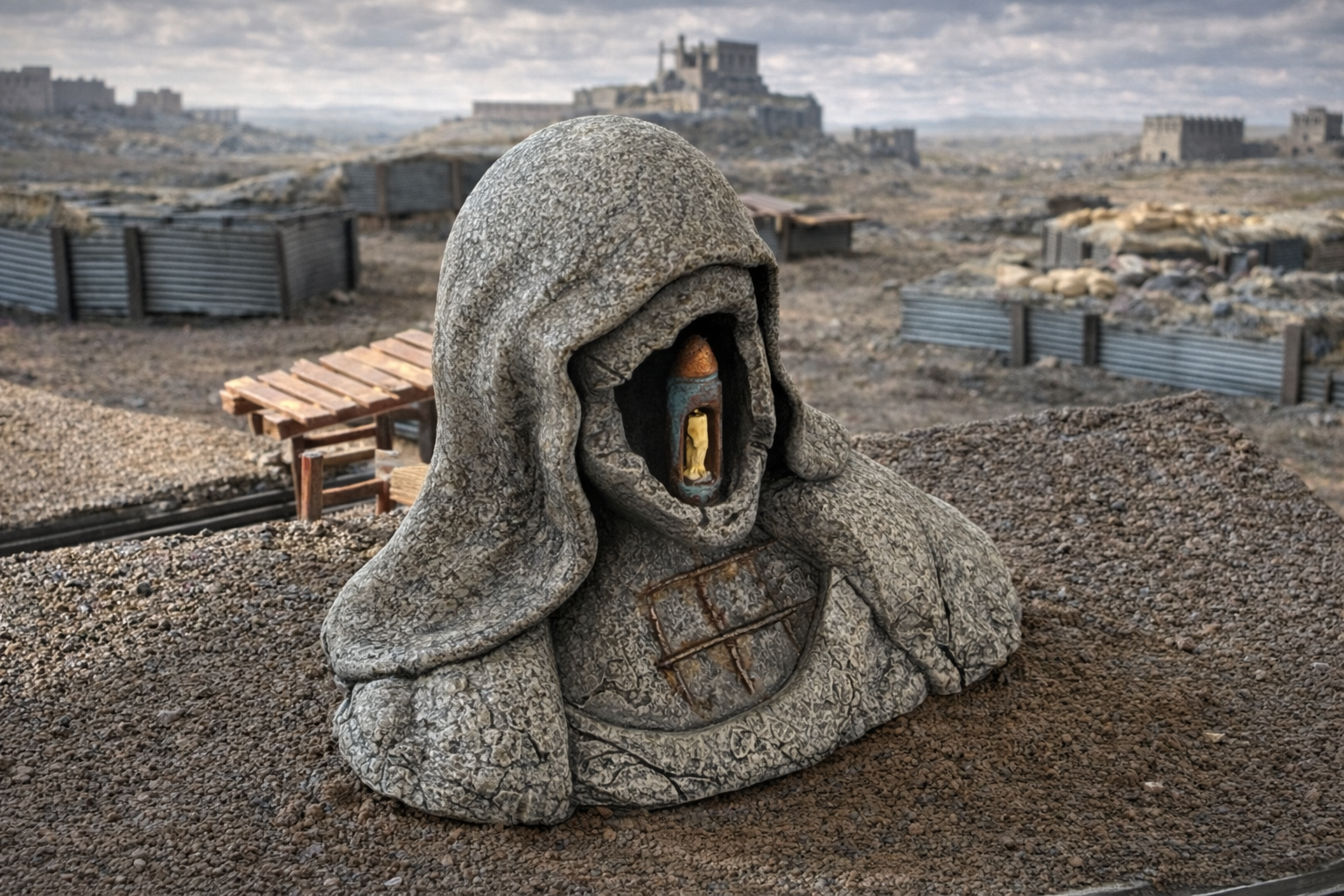
Trench Crusade is filled with religious and infernal symbolism. You’ll find Christian and Muslim motifs, faith, fanaticism, blasphemy, demons, and chaos. The tone is heavy. Dark. Brutal at times. Sometimes openly gore. And it’s not going to be everyone’s cup of tea.
But that’s exactly where its strength lies.
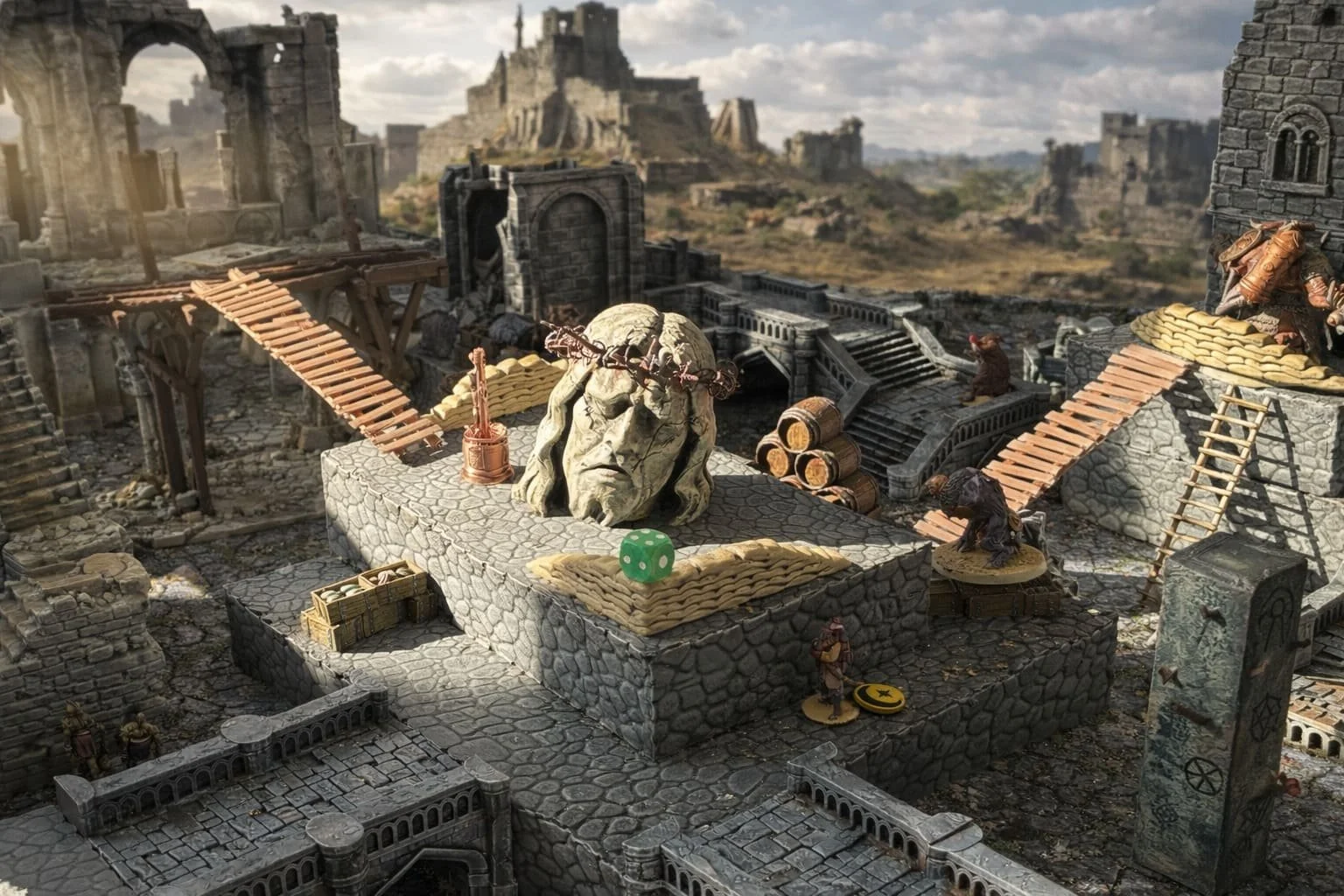
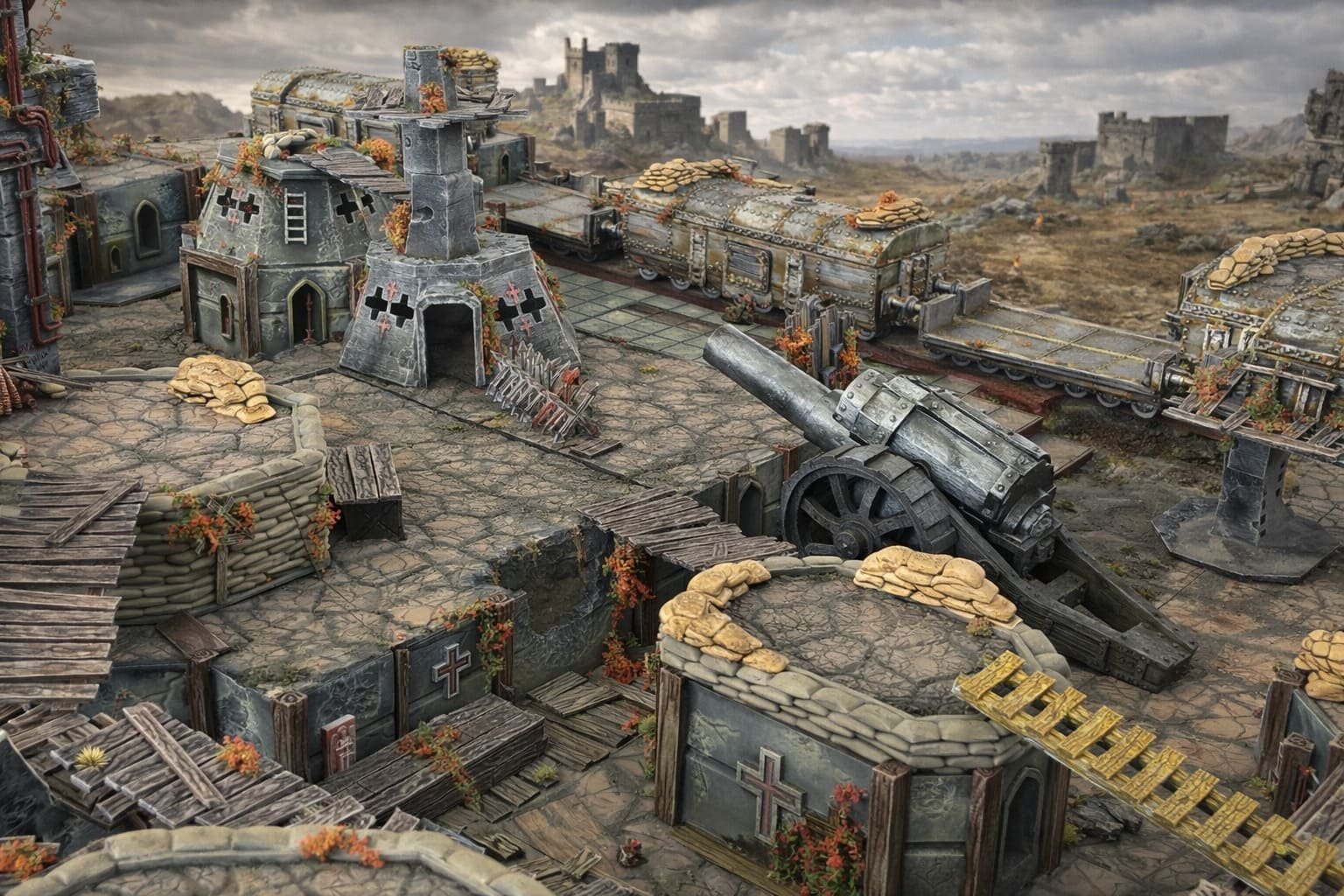
The game appeals to both fans of military history and World War I aesthetics — tanks, artillery, armored trains, bunkers, endless trench lines — and to those who love demons, devils, chaos beasts, and the forces of evil.
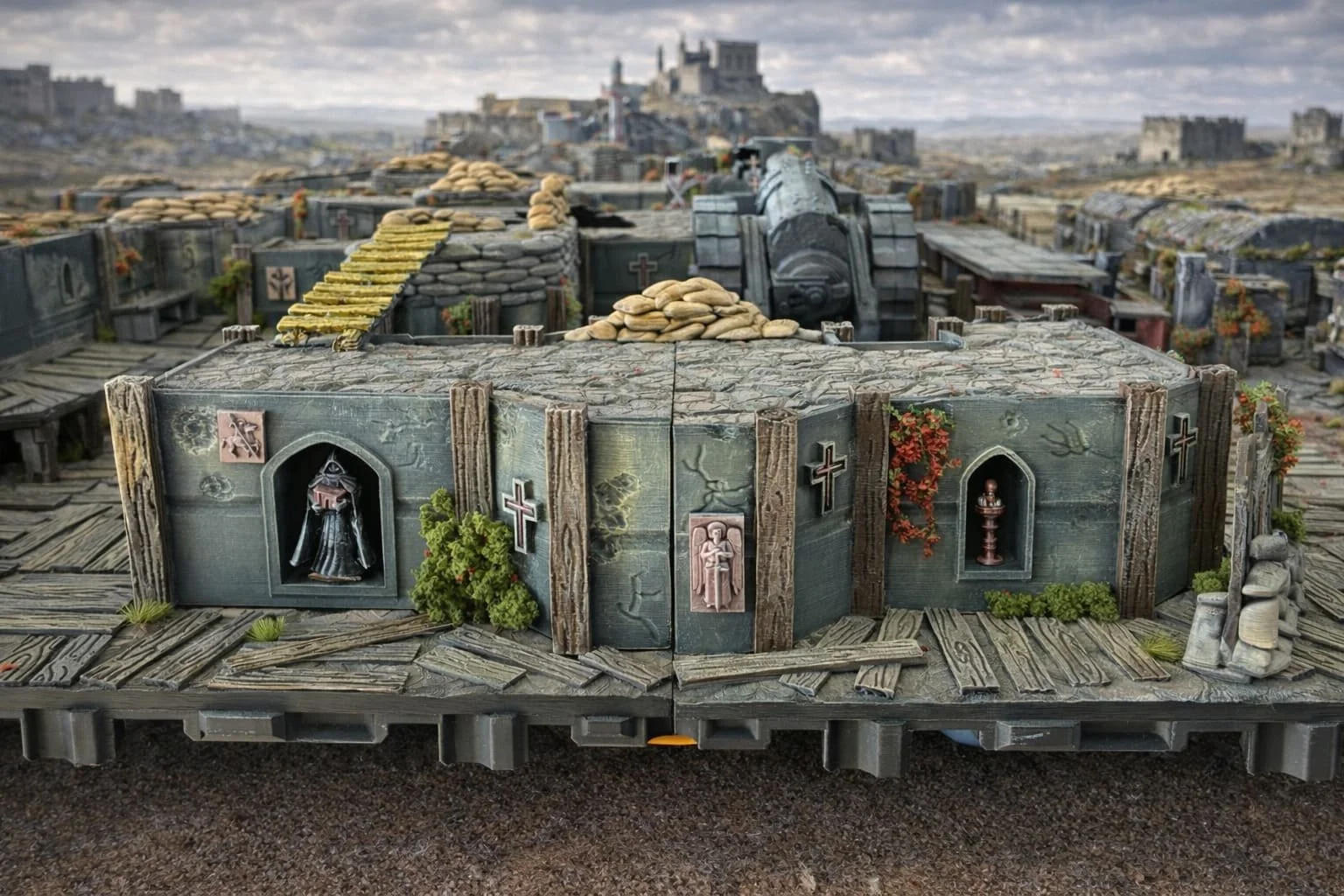
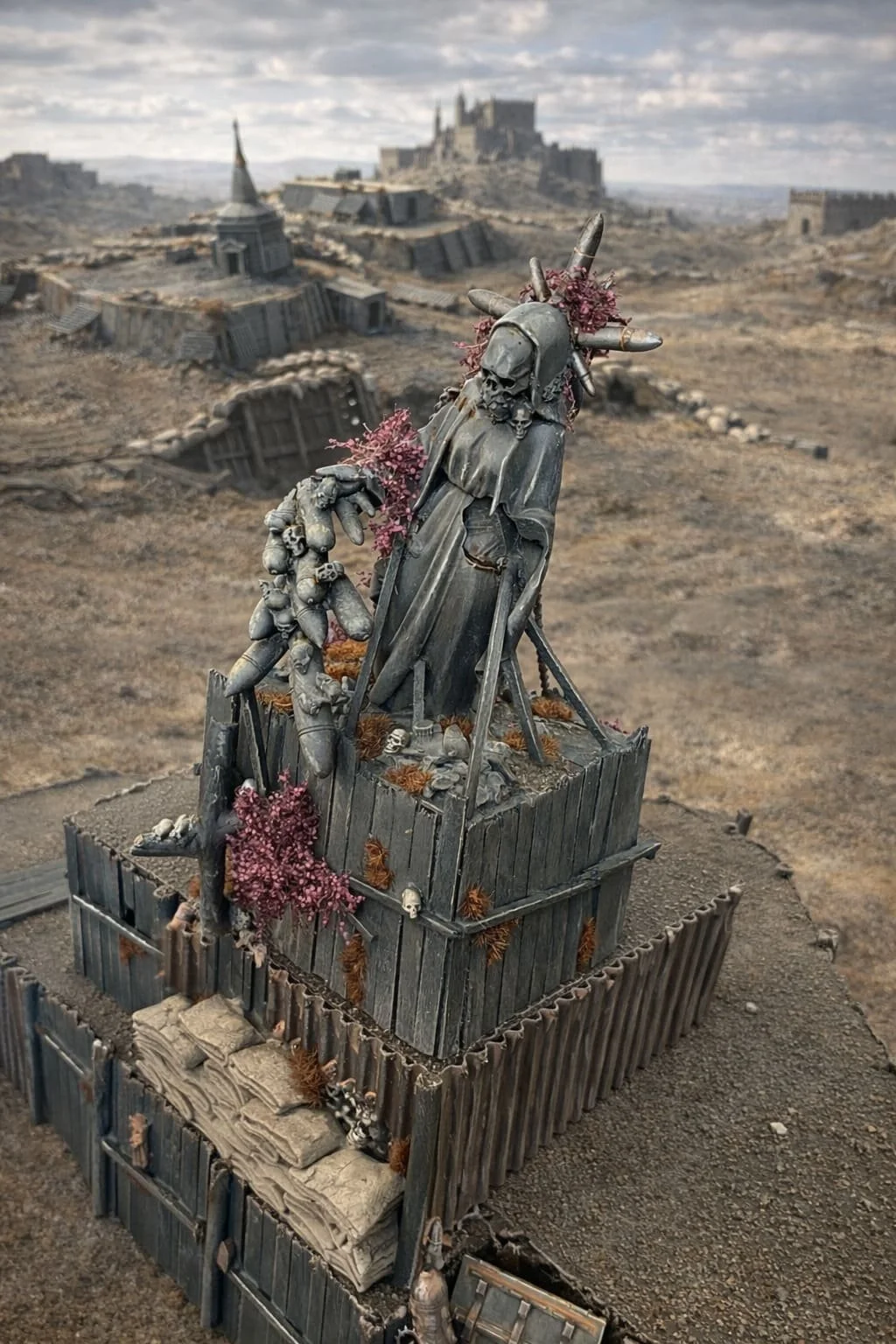
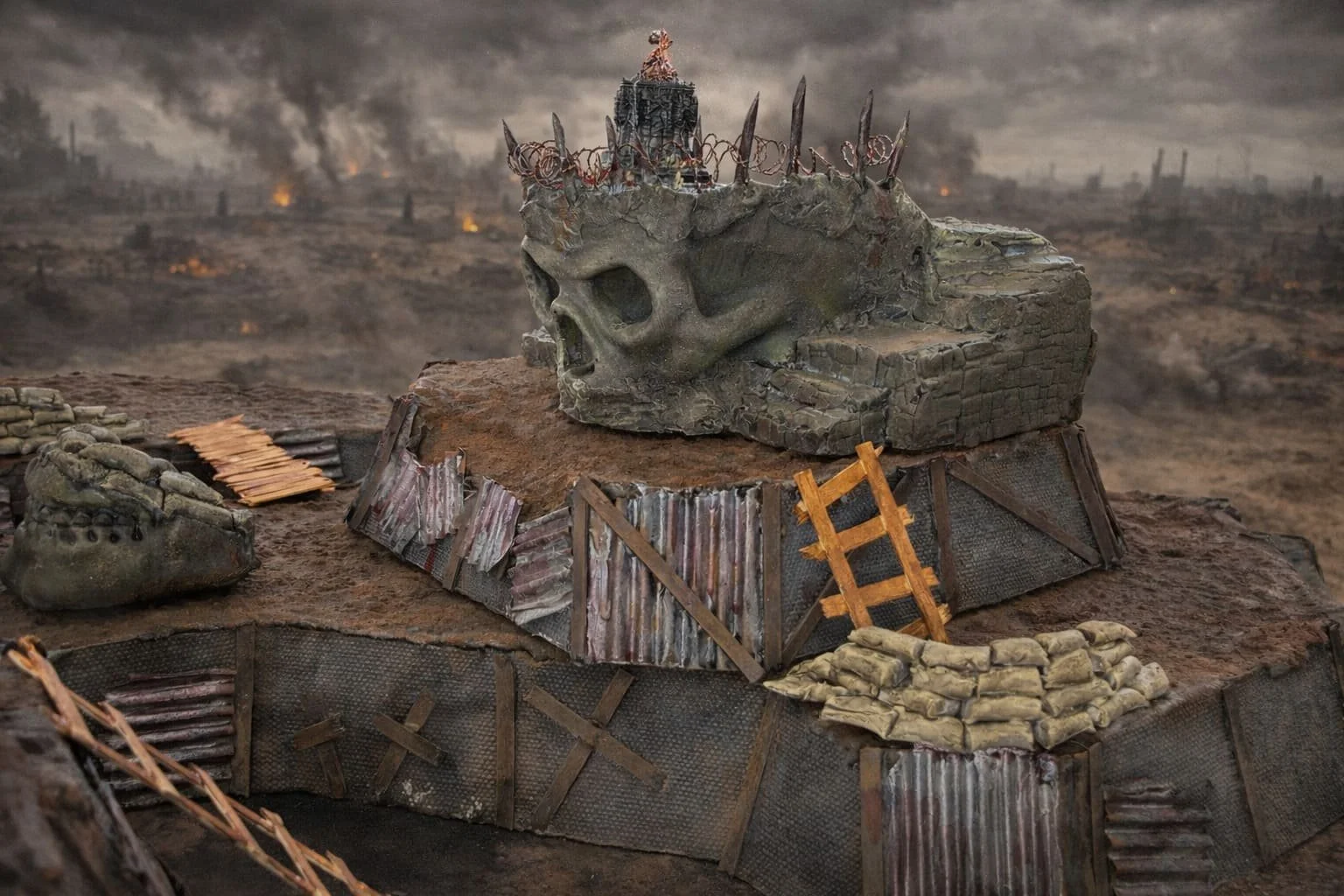
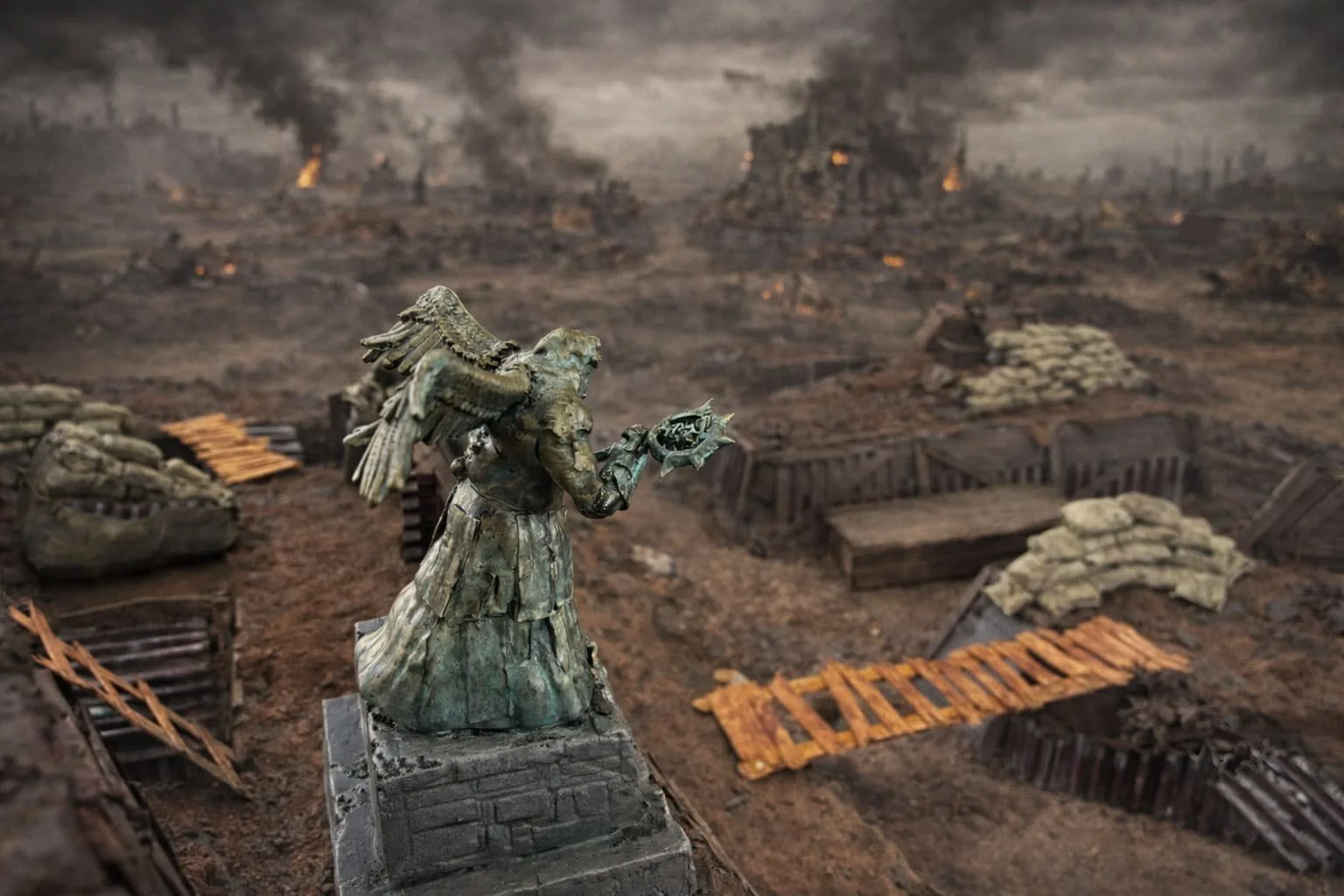
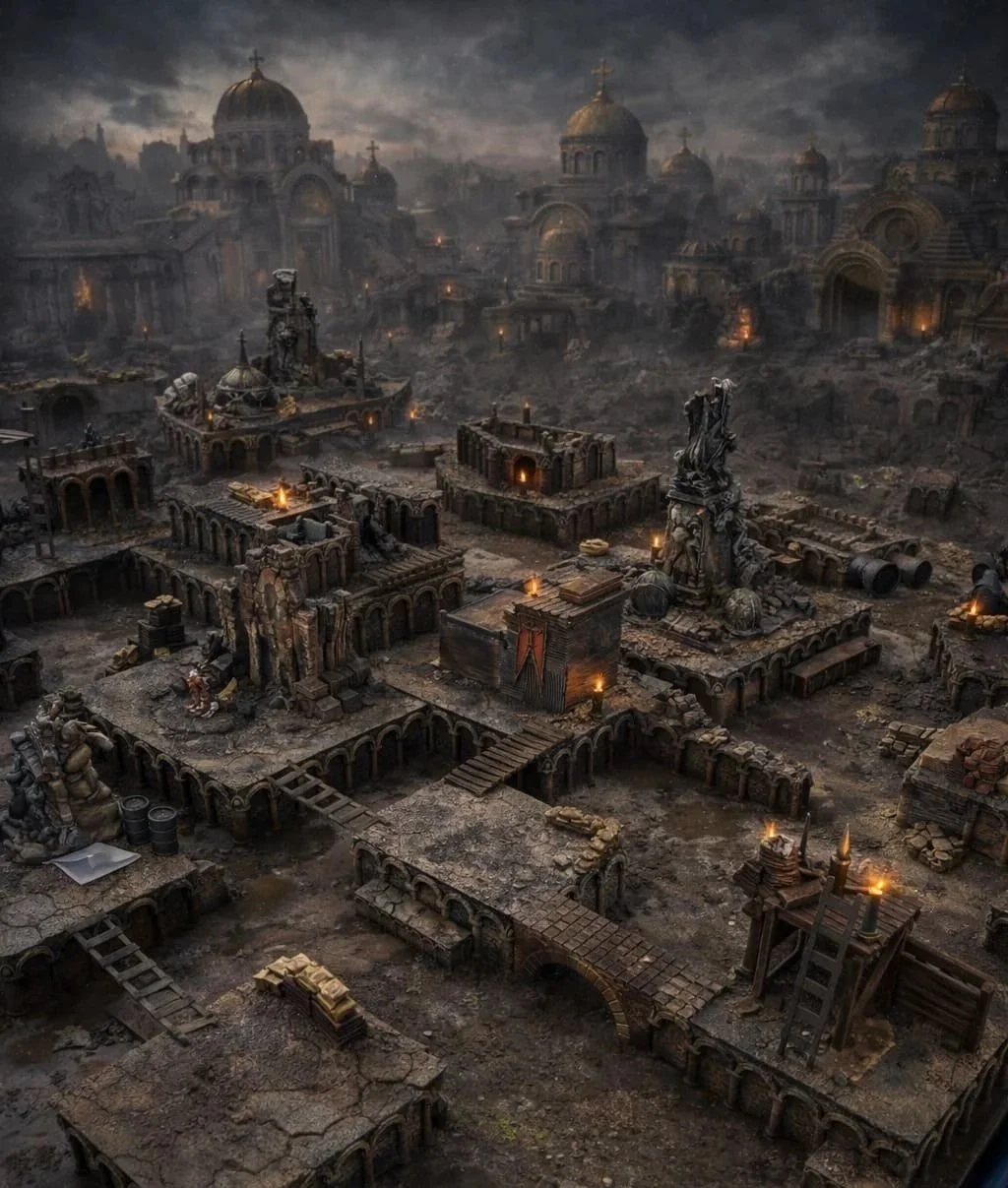
That fusion shapes the battlefield. Tables and warbands are drenched in the symbolism of Hell, fire, blood, and religion. Everything feels dirty, blood-soaked, raw, filled with mud and smoke. Next to artillery batteries and machine guns, you’ll see macabre altars, charred corpses, demonic statues, and flames bursting from shattered ruins.
And paradoxically, it’s precisely this excess — this darkness and brutality — that makes the system so original. It’s not just another war game. It’s total war — physical, spiritual, and symbolic.
You either embrace the atmosphere fully, or it simply isn’t for you.
The Tournament
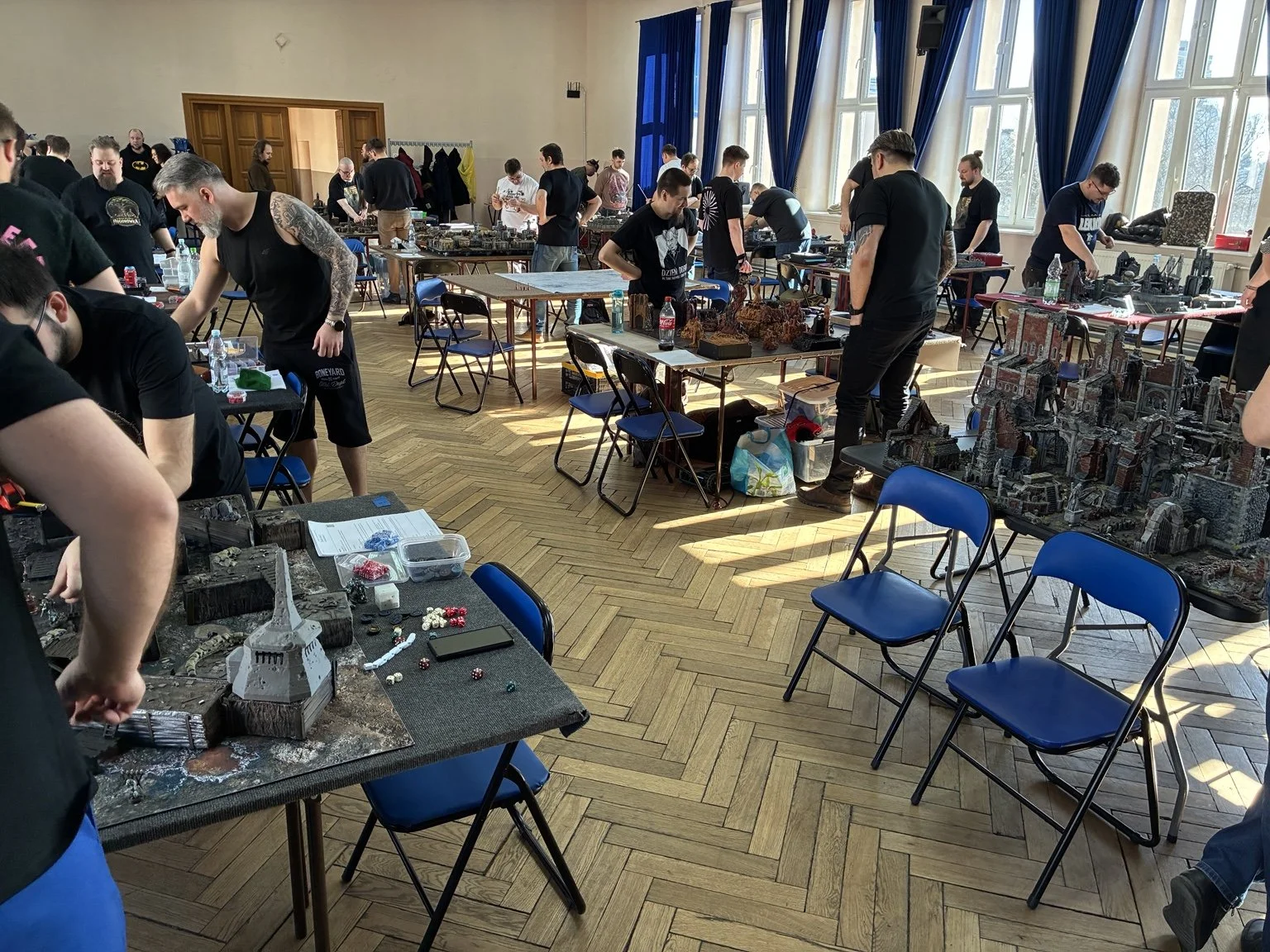
The tournament in Łódź attracted — especially for a young system — a very solid number of players. Thirty-something people, maybe close to forty. Over a dozen tables. And not the “let’s throw down a few wooden tiles and call it atmosphere” kind, but fully realized, carefully crafted worlds you could genuinely get lost in. Literally (I remember two players who spent quite a while searching for their miniatures somewhere in the hidden corners of the terrain).
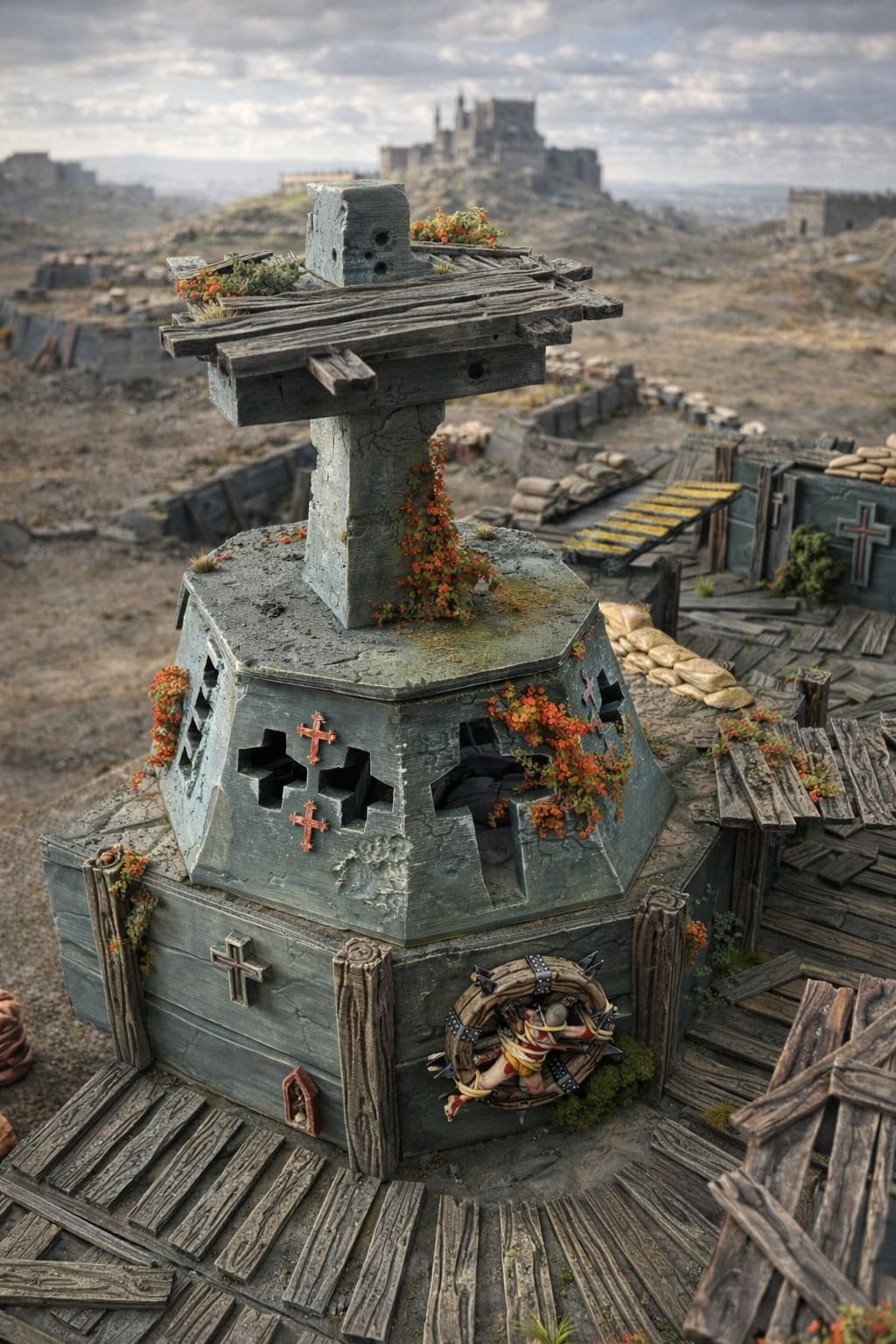
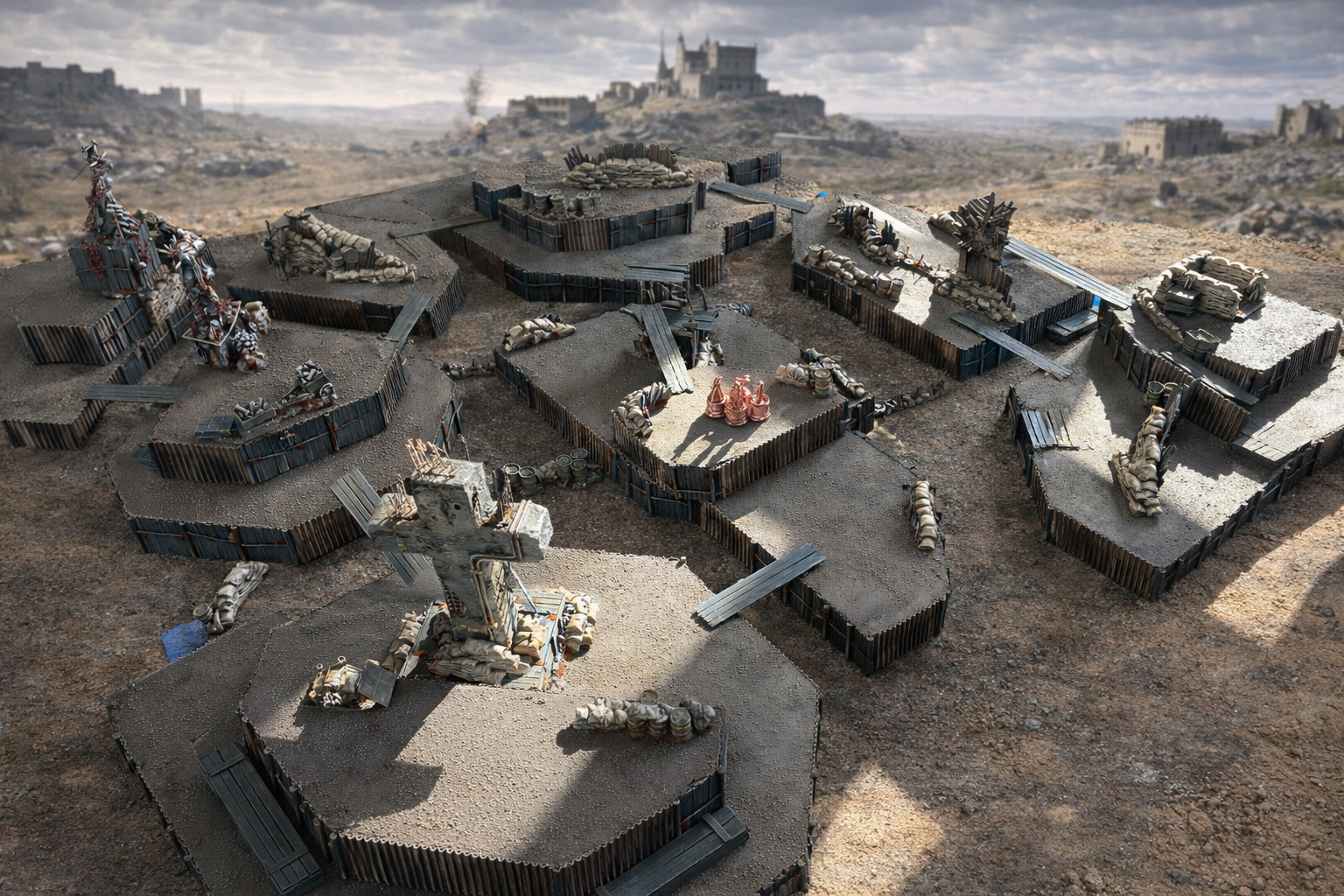
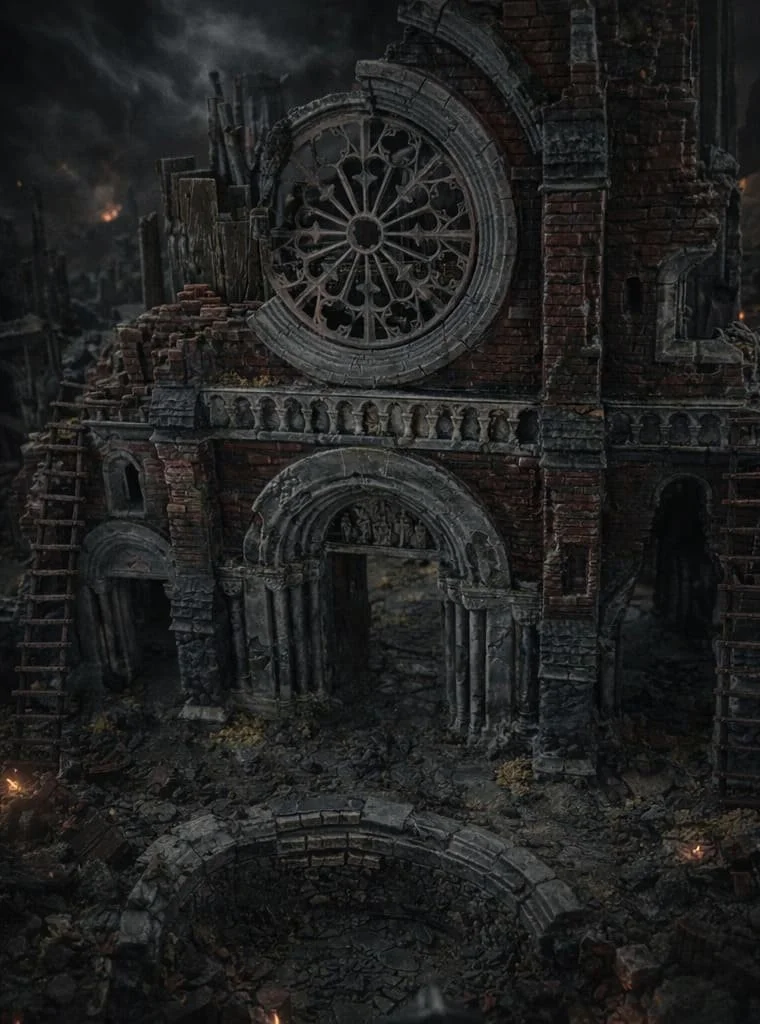
The variety of tables made a first, second, and third impression. There were classic, well-designed trench boards. Sultanate and Great Wall themes. Bridges, armored trains, bunker fortifications, as well as monumental, hellish landscapes filled with demonic statues and fire. And then there was the ruined cathedral which — let’s be honest — stole the show in terms of scale and complexity.
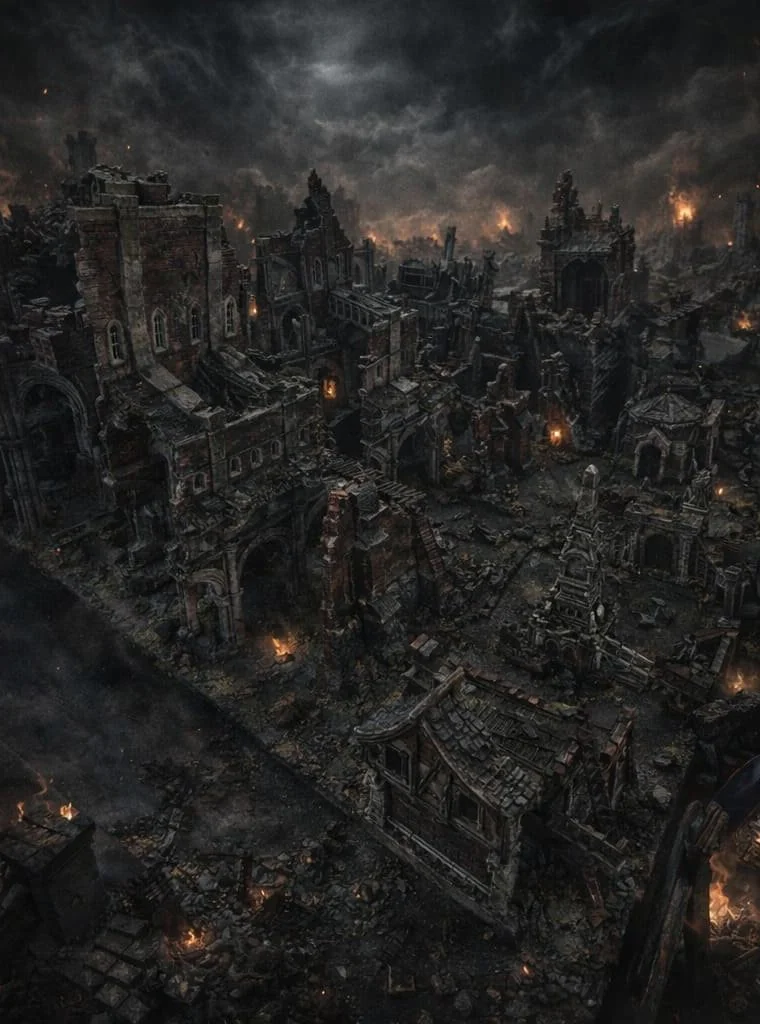
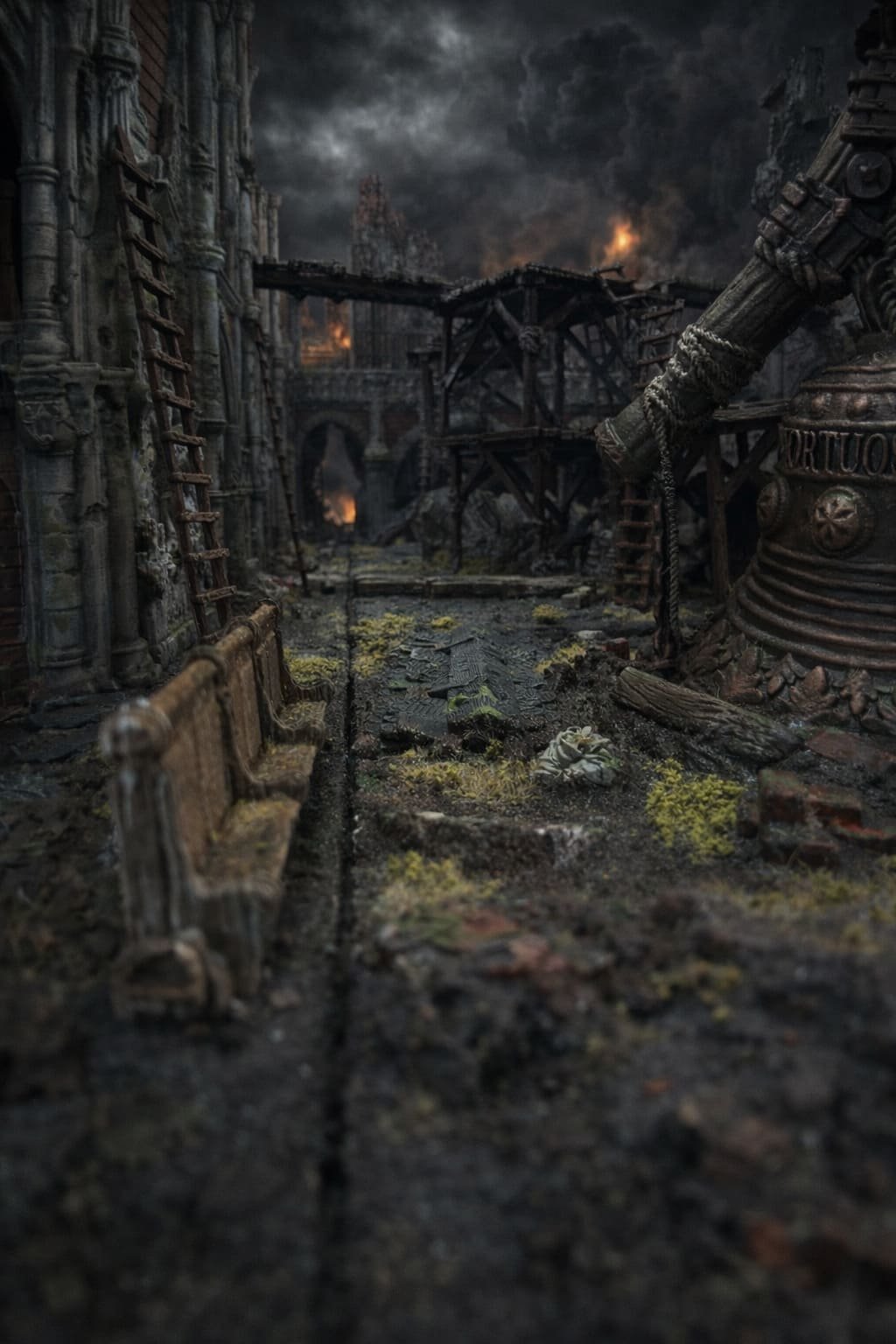
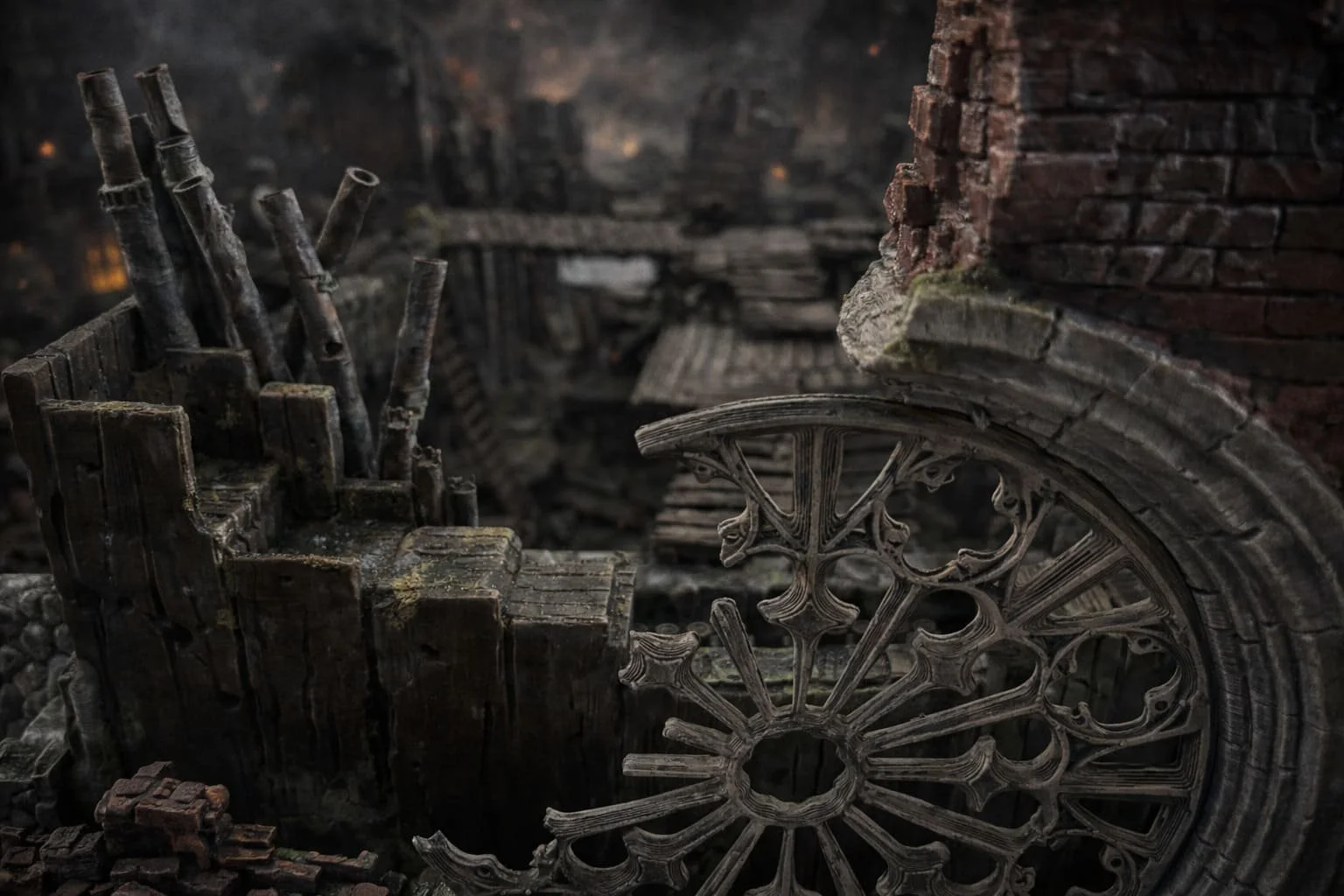
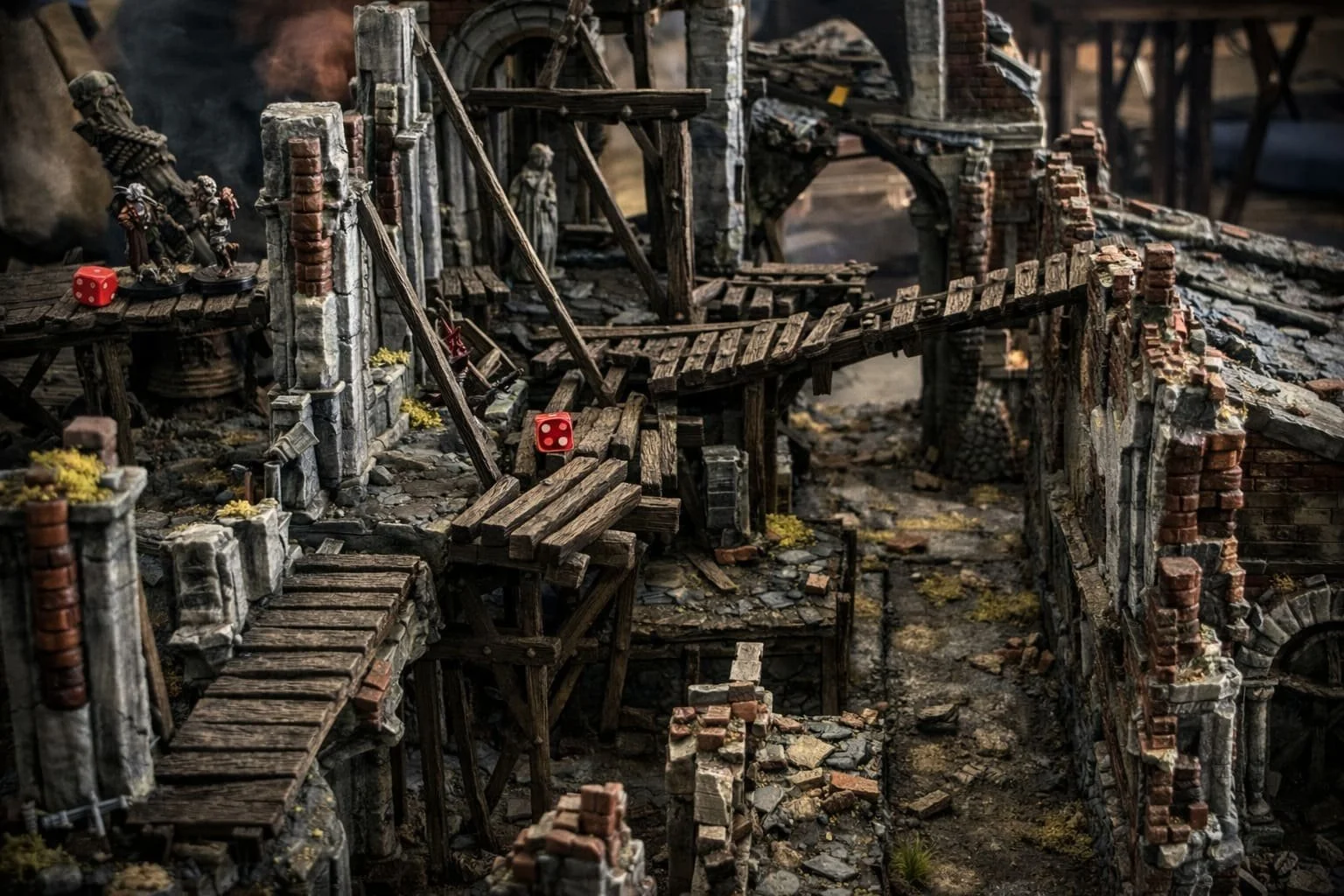
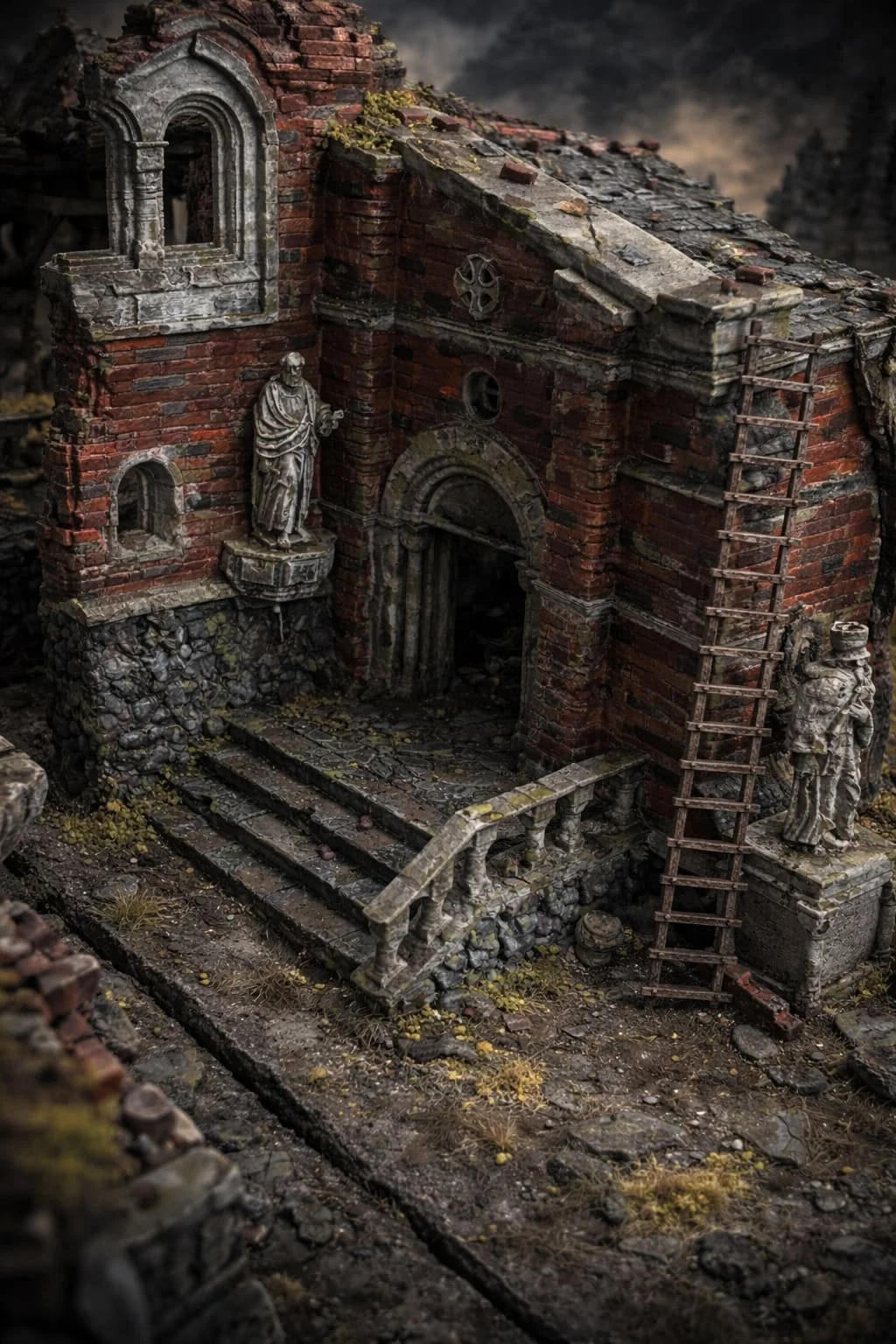
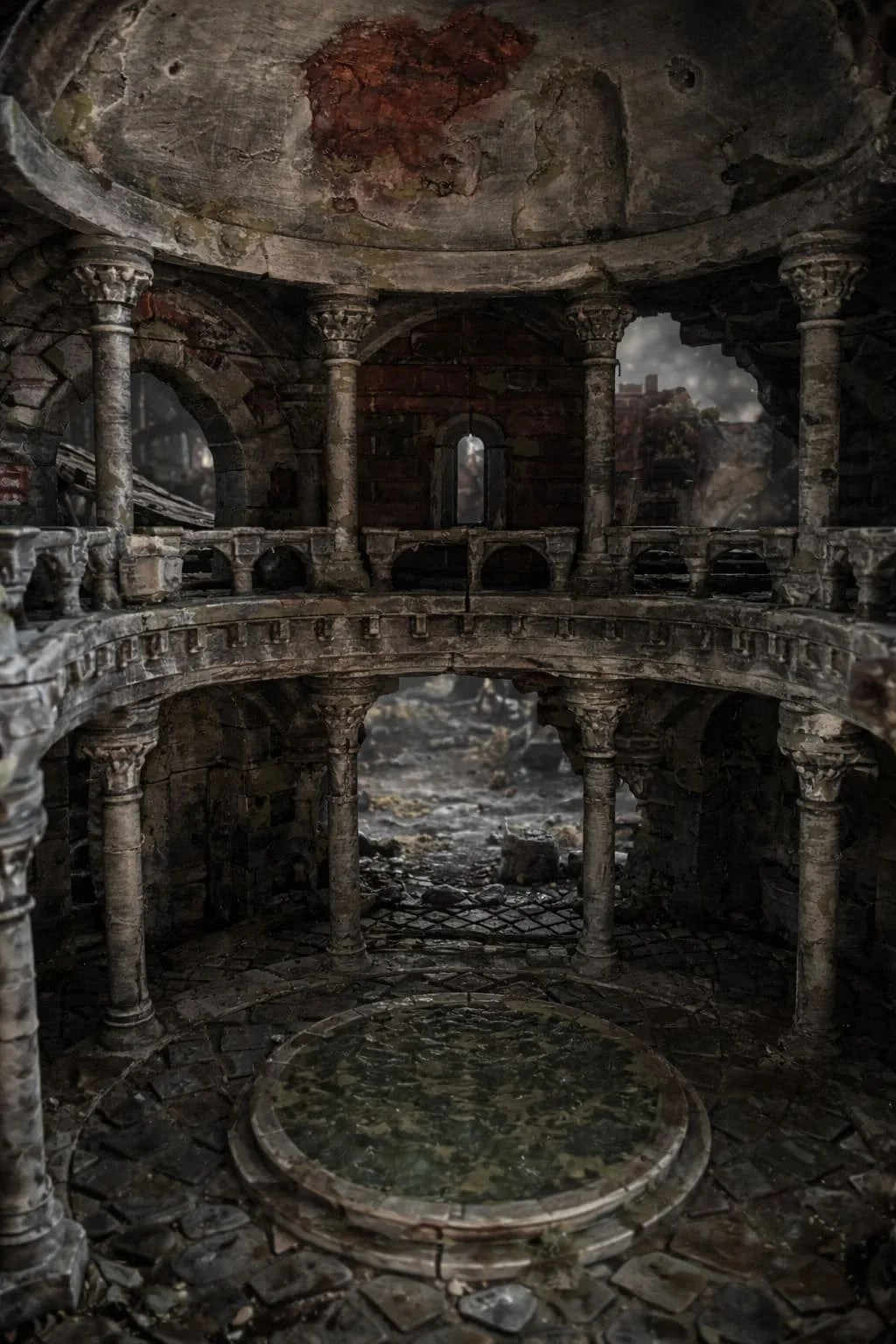
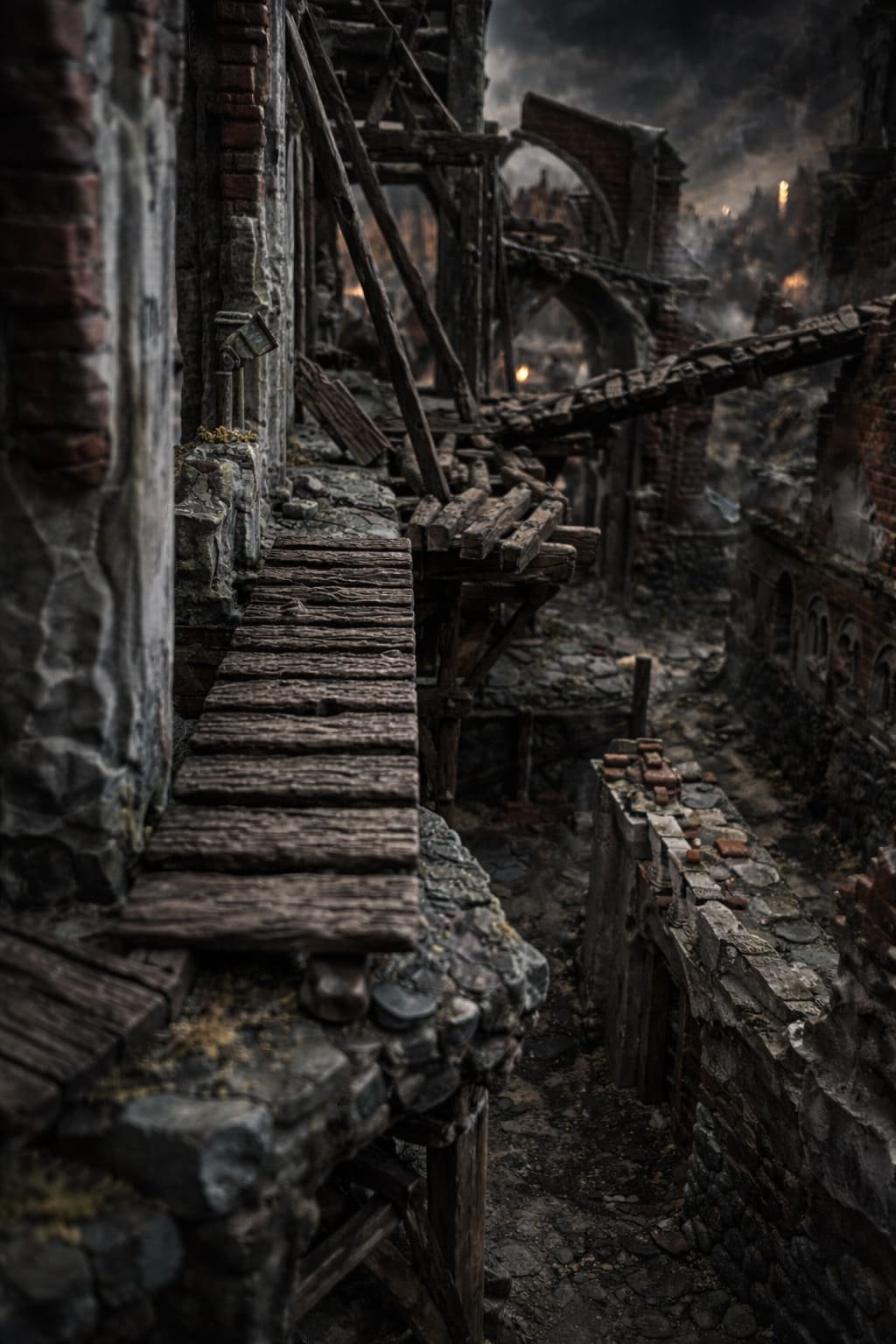
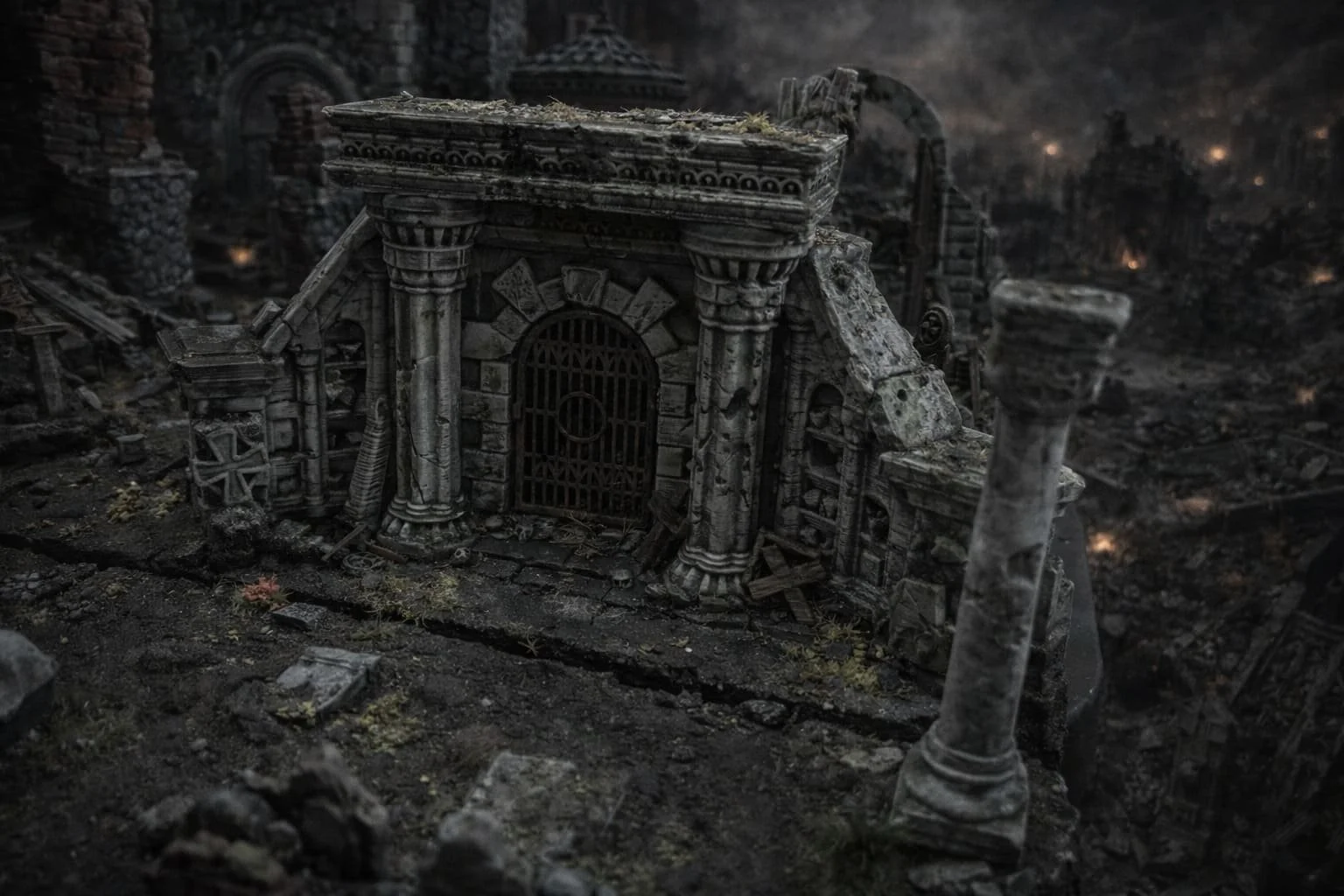
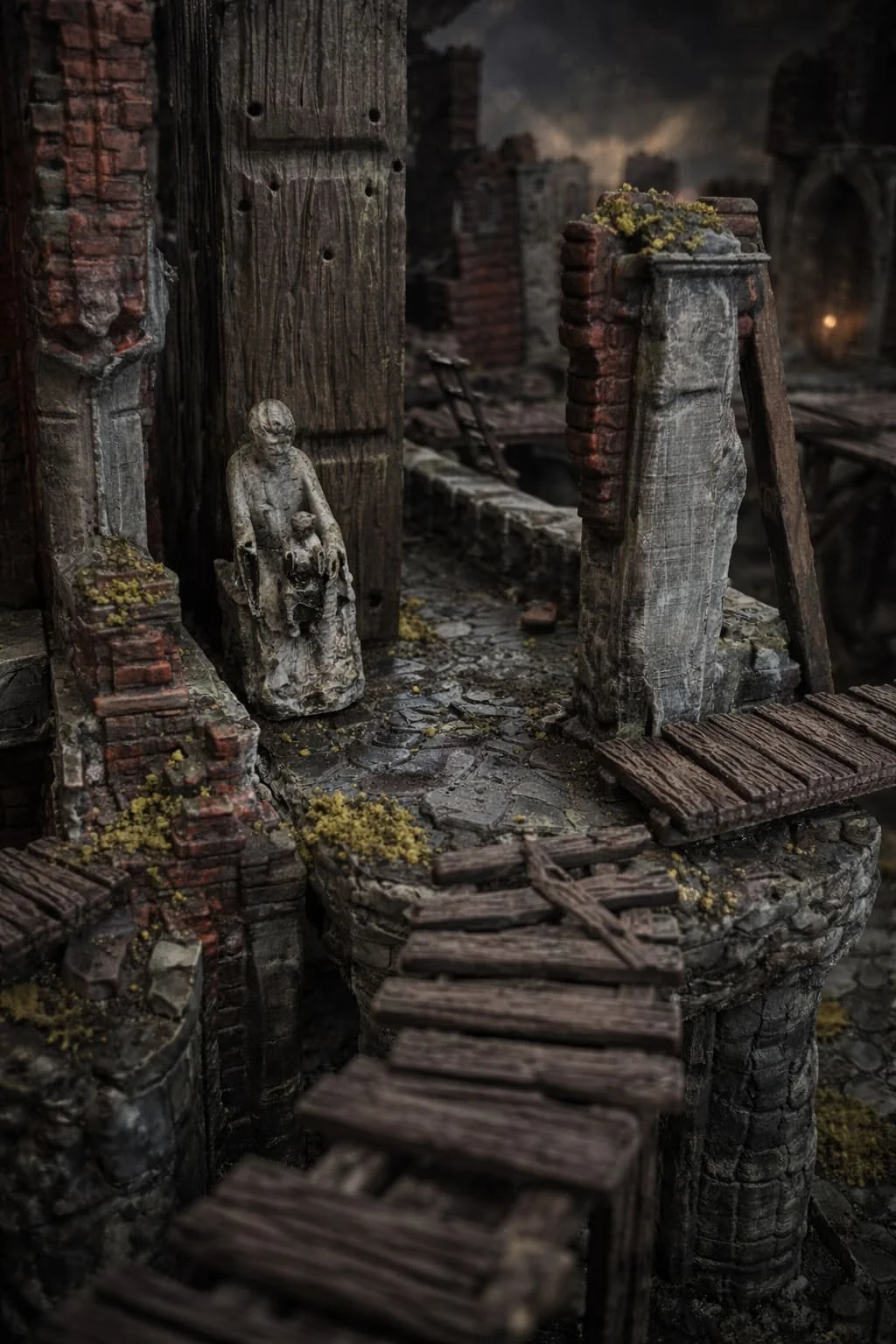
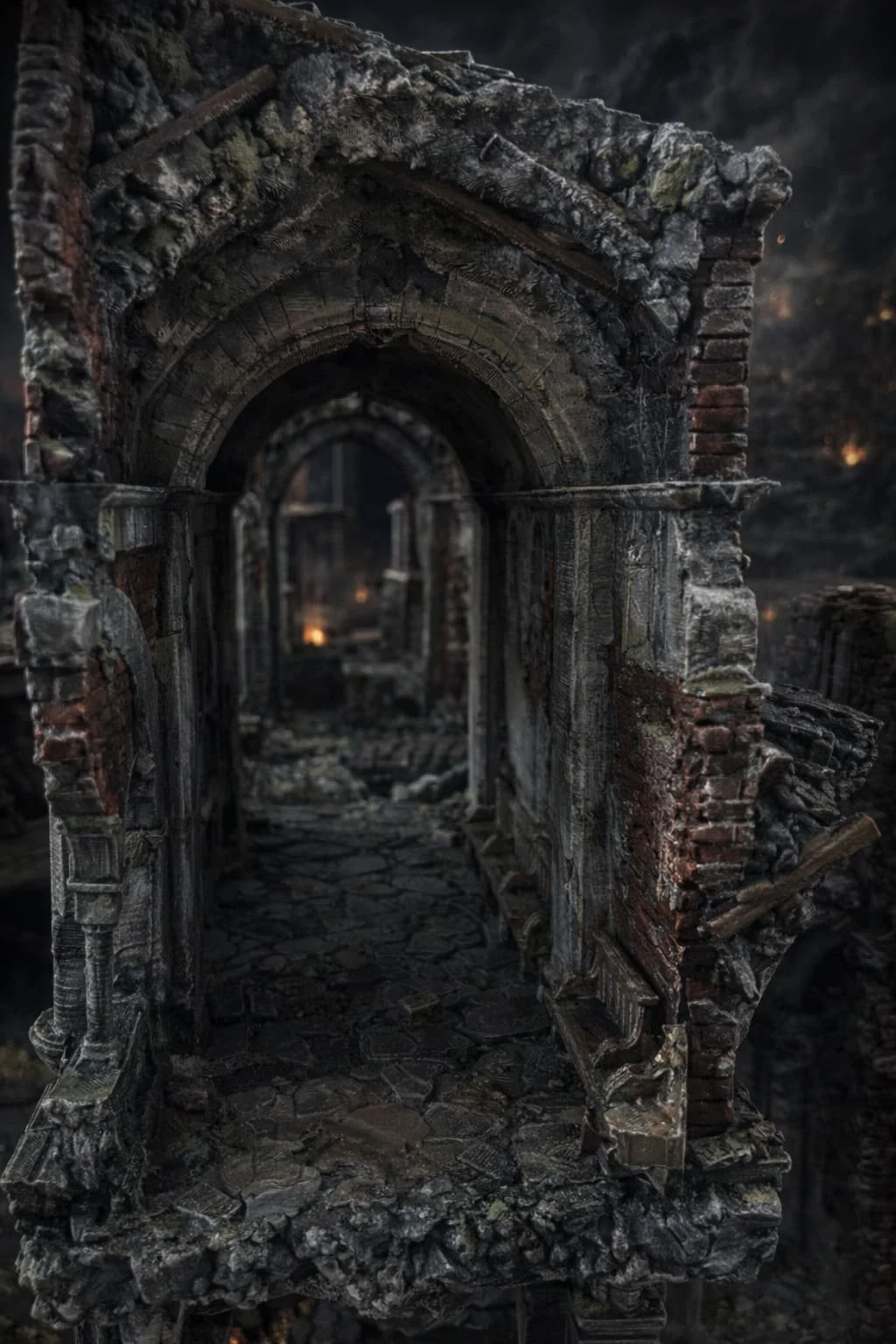
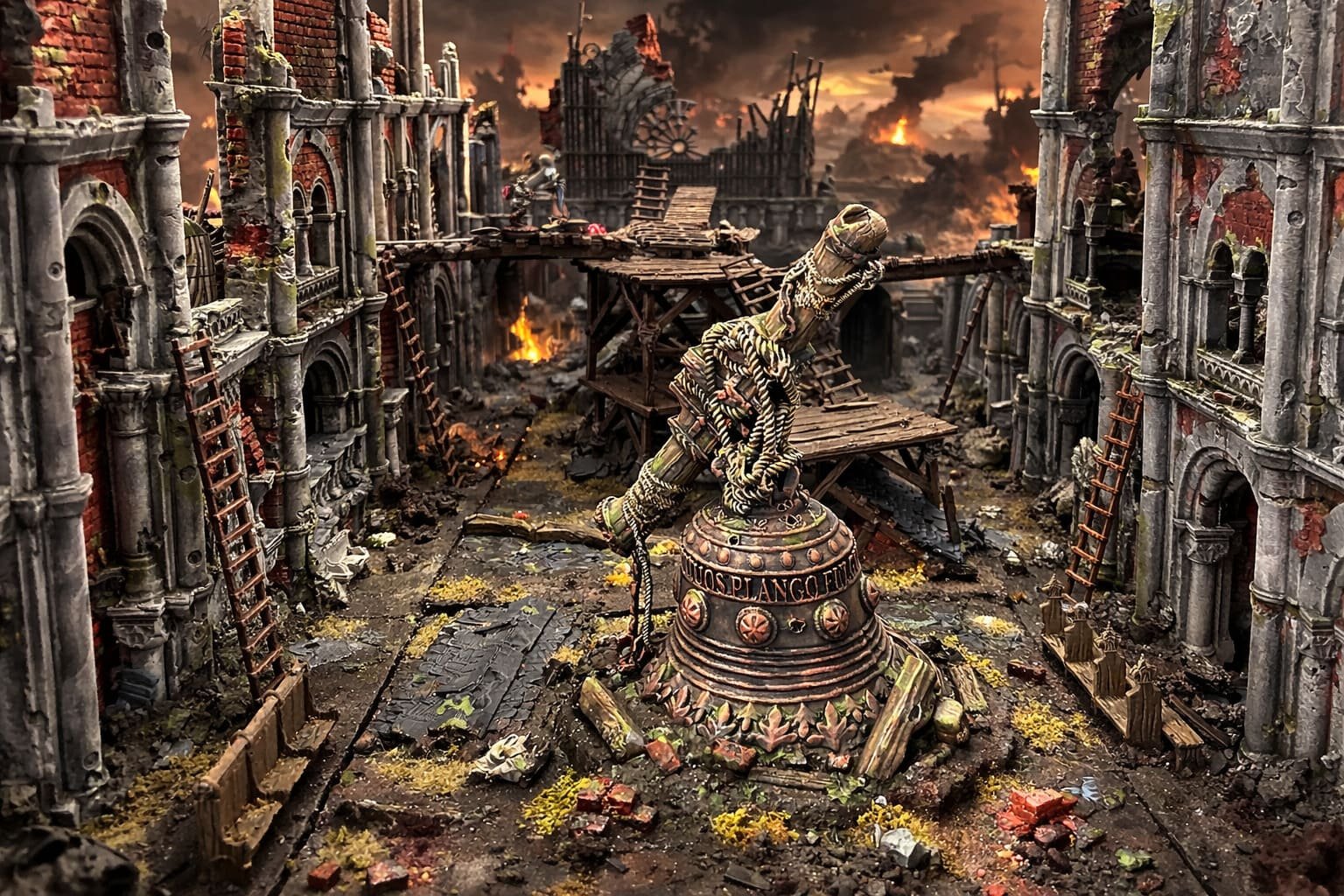
Alongside those “giants” were more open tables — a sniper’s paradise. If someone dreamed of placing a long-rifle guy and controlling half the board, that was absolutely possible. Thankfully, there were also well-balanced tables — thoughtfully designed, properly structured, with the right amount of obstacles and deliberately limited lines of sight so snipers wouldn’t have it too easy. Tons of detail, an enormous amount of work, yet clearly built not just “for the photo” but for actual gameplay. Respect to the creators. Seriously.
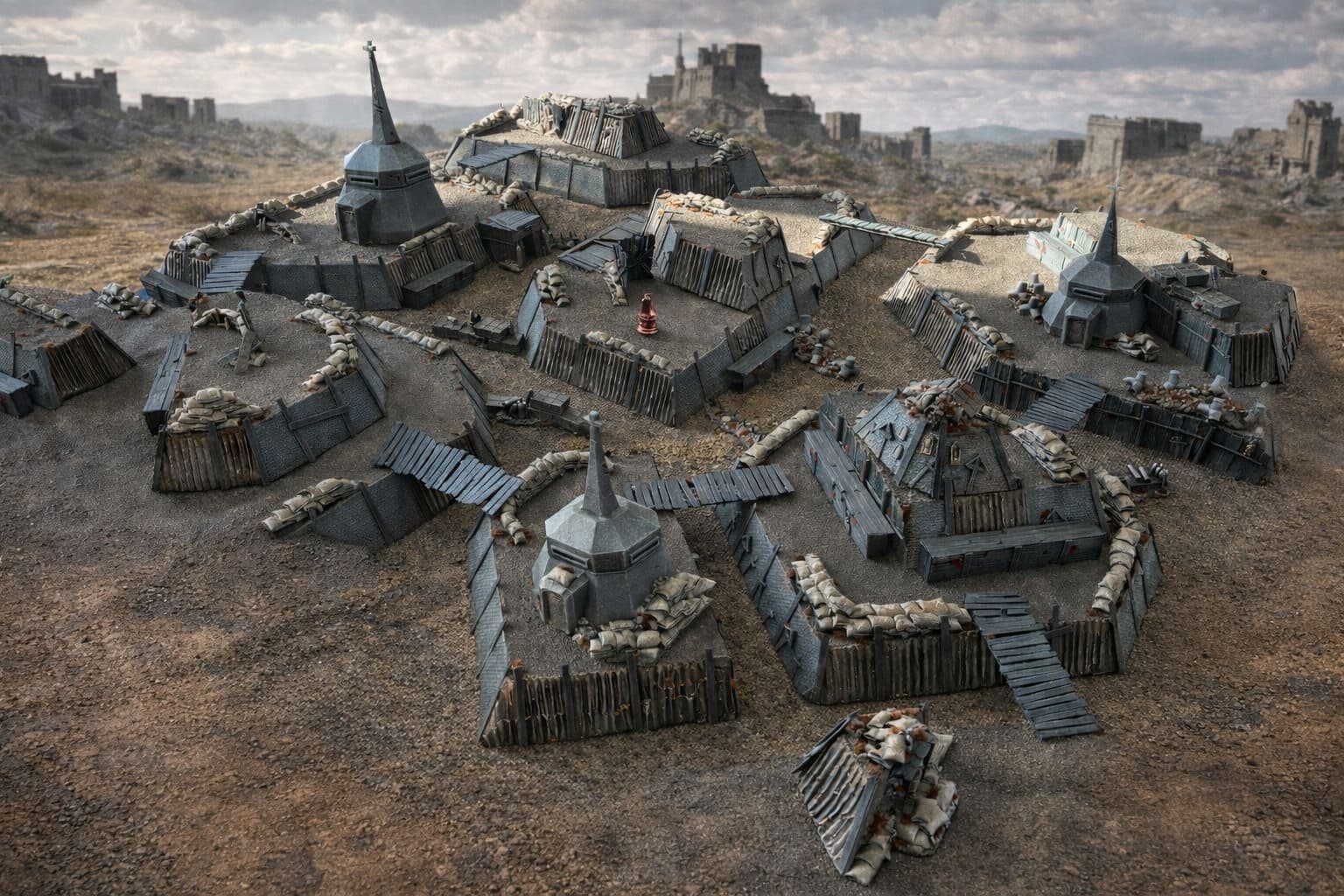
And that’s the greatest value of tournaments like this. Even if — like me — you’re not a typical competitive player, you go there for inspiration. It’s a chance to see impressive 3D prints in person, measure trench heights and bridge lengths. You study fences, shrines, places of worship, statues, improvised cover. You see what works. What doesn’t. What looks epic but turns into a logistical nightmare. It’s a goldmine of experience.
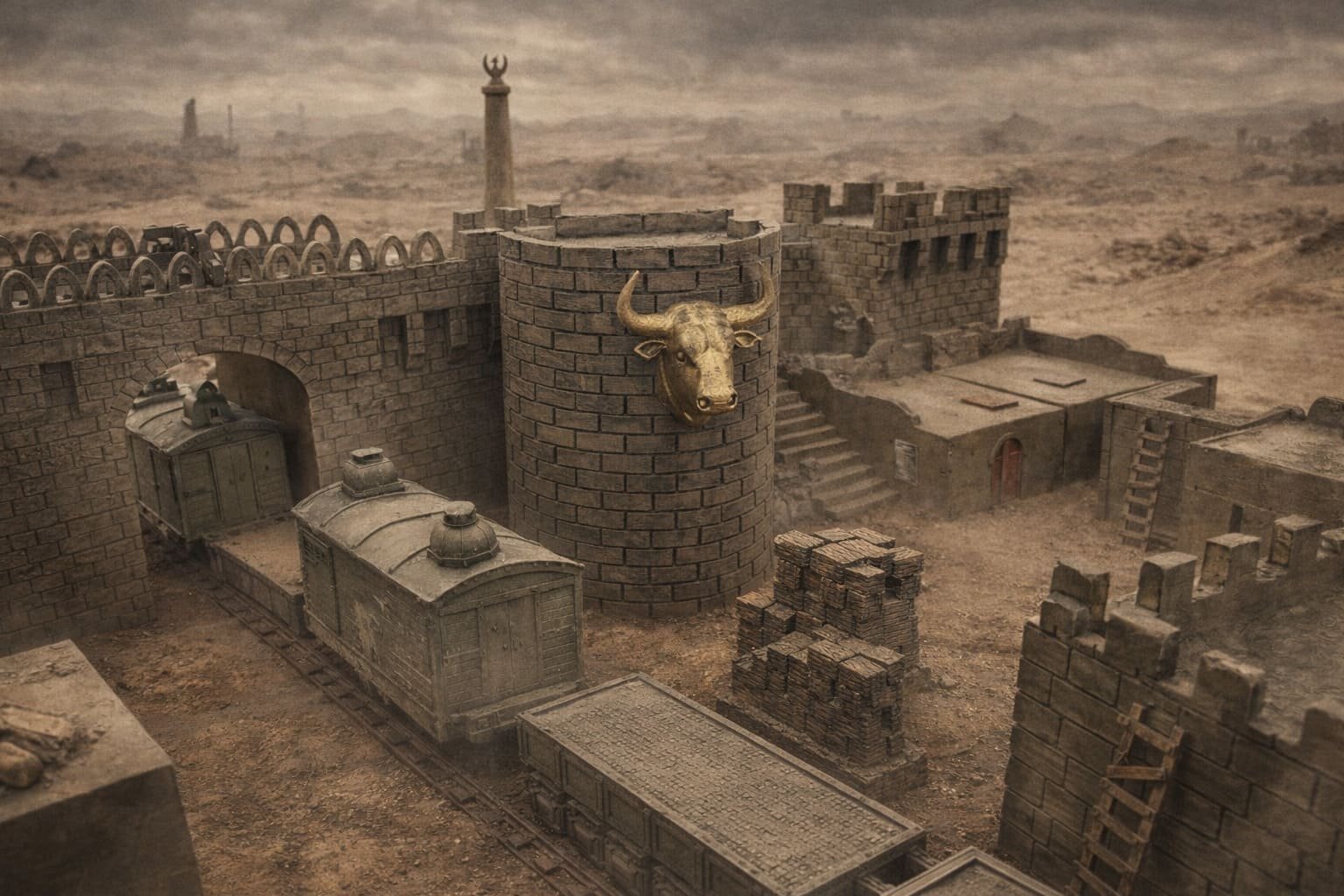
As for the factions represented at the tournament, the variety was wide. Different approaches, conversions, alternative models. People genuinely play with this world and interpret it in their own way. And that’s beautiful.
More importantly, the tournament was welcoming to newcomers. Many people showed up for the first time, not yet fully fluent in all the rules.
The atmosphere? Zero toxicity. Zero ego. Sure, tournament stress was there, but people explained rules, talked things through, shared impressions. The Trench Crusade community — at least for now — feels genuinely open and friendly. Fingers crossed it stays that way.
The fact that the organizers did a great job and that the event was on a very high level — organizationally, artistically, visually — doesn’t really need explaining. Anyone who was there knows. And the best proof is the growing number of players returning from tournament to tournament.
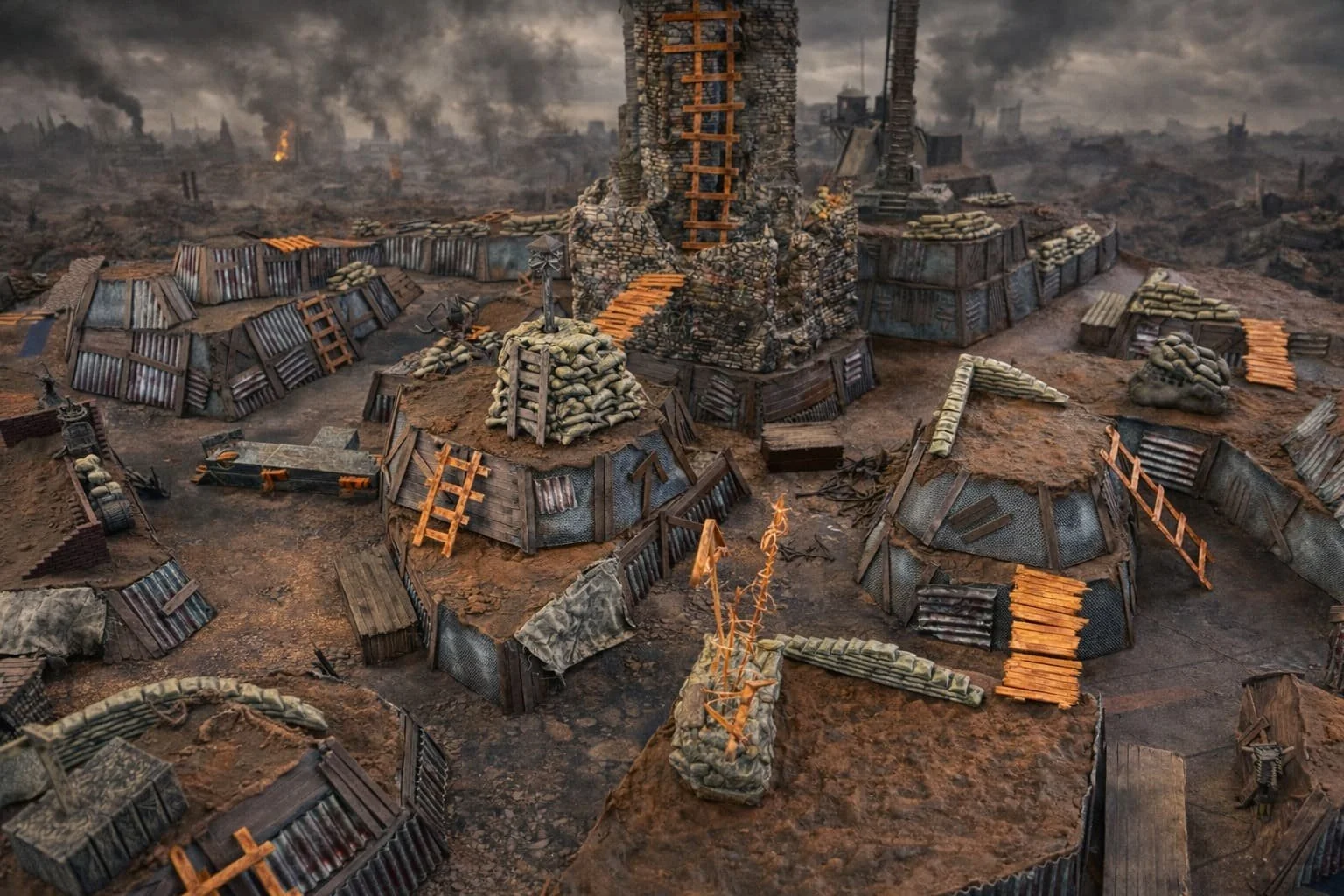
Trench Crusade surprises you. With its accessibility. With how easy it is to get into. With the lack of real barriers. You can like it or not — I still have a “it’s complicated” relationship with it. At first, I was quite skeptical — not only about the setting, but about the factions themselves. I remember how much I disliked the Sultanate. I looked at that faction and thought, “This is weak. How do you even play this?” “Trench Crusade? Not my vibe.” That’s how it was.
Today? I own a Sultanate warband and wouldn’t trade it for any other. I’ve played a few games and I’m genuinely looking forward to the next battles.
And that’s probably the point. Sometimes you just have to give a system a chance. Even if it doesn’t click at first.
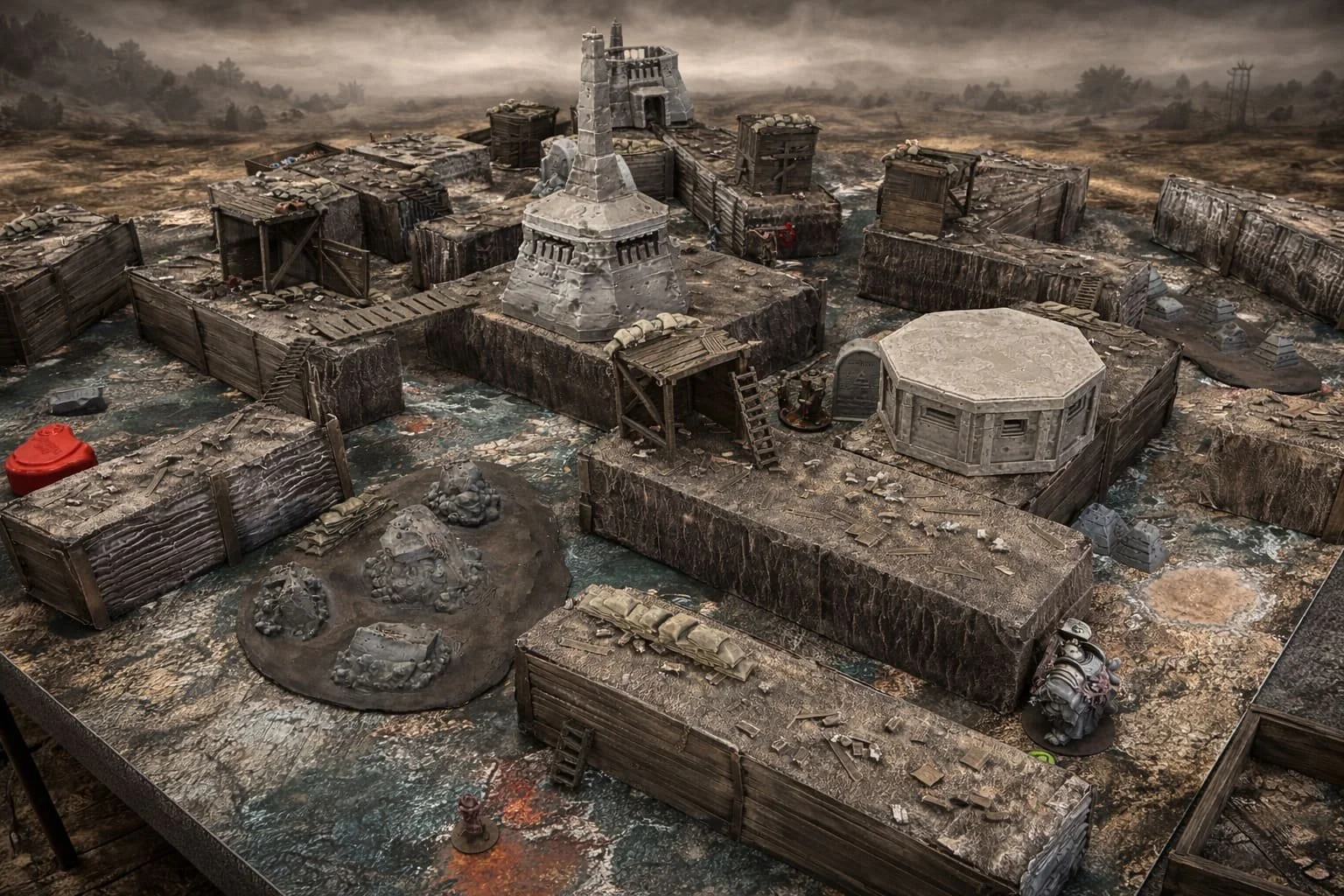
I’m not saying Trench Crusade is my number one. Necromunda still holds the most important place in my heart. But Trench is a fantastic alternative — a break, a fresh perspective. What’s more, playing it actually improved my Necromunda games.
Today I can say one thing: I’m more than happy to take breaks from the Underhive to jump into the mud of the trenches. And I hope the system keeps growing, and tournaments like the one in Łódź become more frequent and bigger each time. Because even though I’m mostly a one-off or campaign-style player, I know that it’s tournaments and competitive play that keep a system alive and evolving.
And for that — let us pray to the Lord.
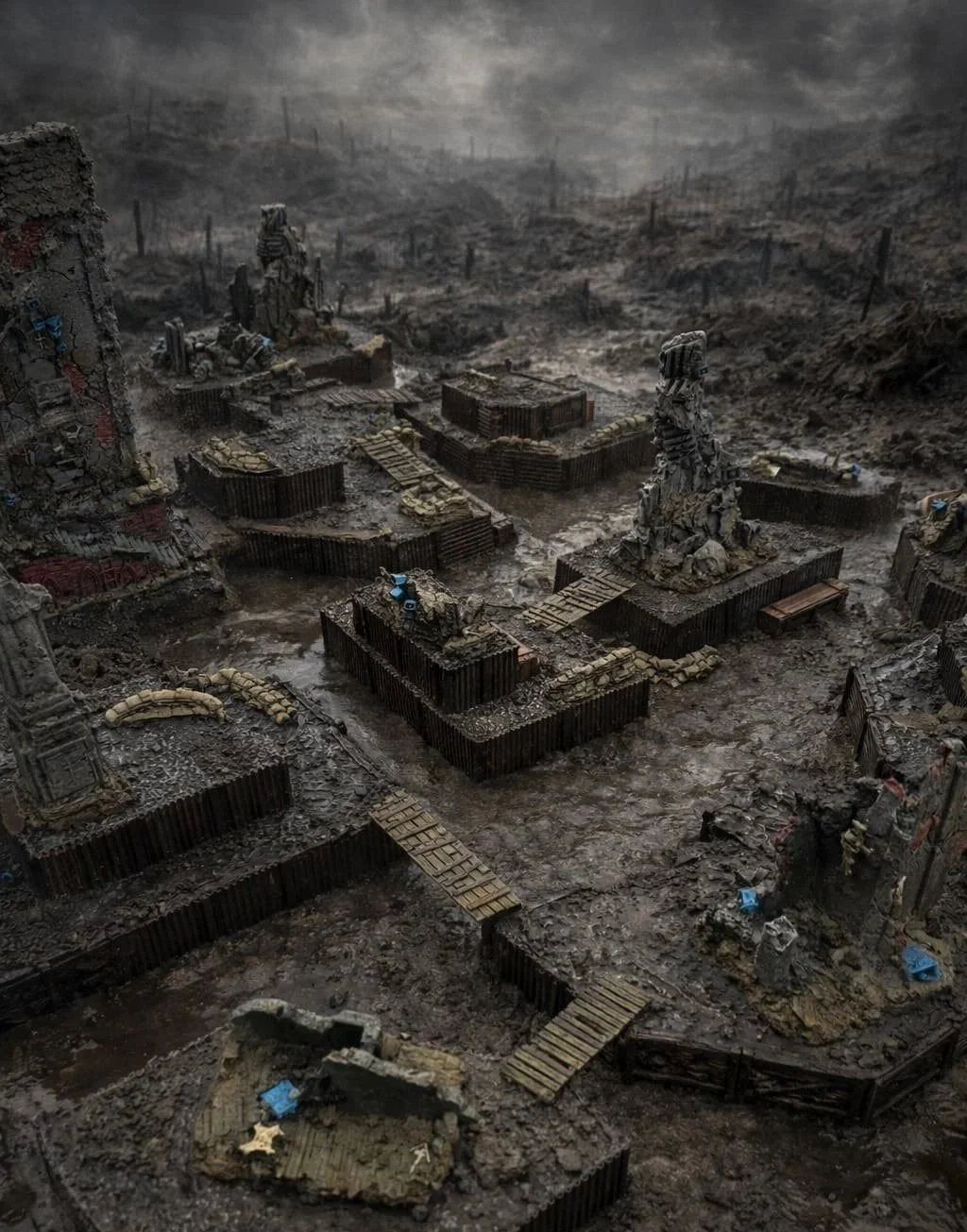
To wrap things up, here are a few photos showcasing some truly remarkable details featured on these tables. It’s details like these that really show just how important terrain is in this game.