Barrel Talks - Golden Demon Edition: Florian Wienand
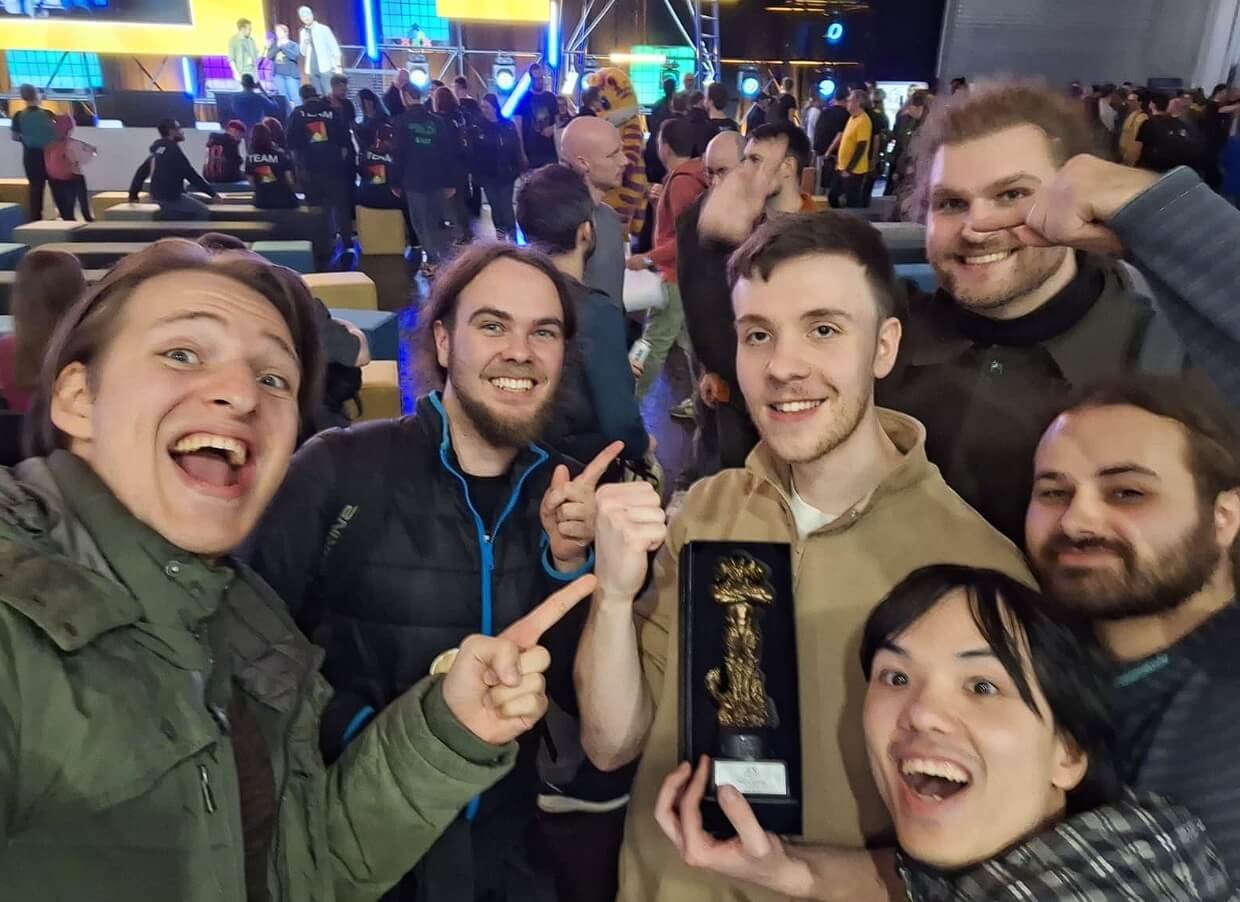
The Underhive has seen many legends, but only a handful rise to Golden Demon glory.
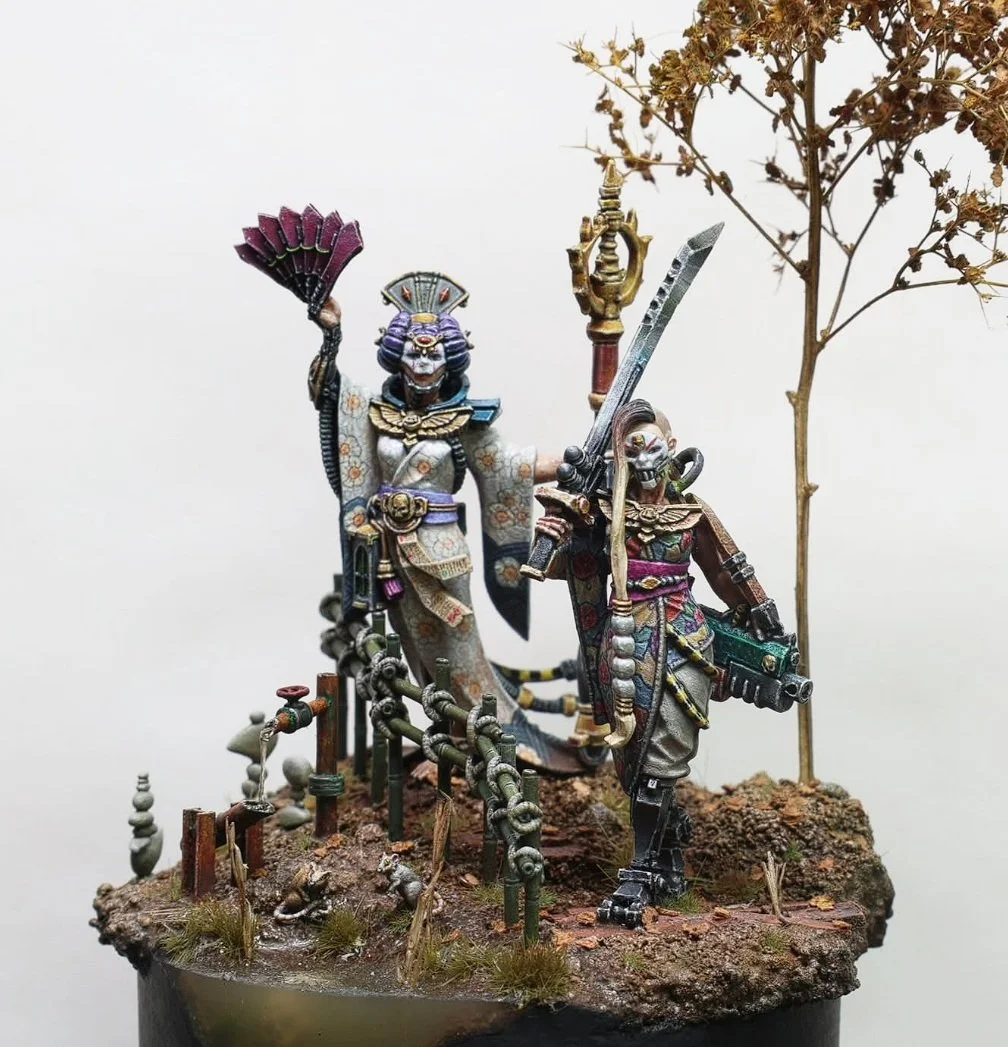
Florian Wienand did exactly that — taking first place in the Necromunda category with a diorama that stunned both judges and the community!
And if you want to see his award-winning piece the way he intended it to be seen — with the right lighting, color balance and detail — you can view it on his Instagram: florian_wienand_art
The Artist and the Winning Project
Photography by Florian Wienand. Artwork and image rights belong to the artist.
Florian, we’ve seen your stunning Golden Demon entry — now let’s meet the person behind the brush. Who are you, and what’s your story?
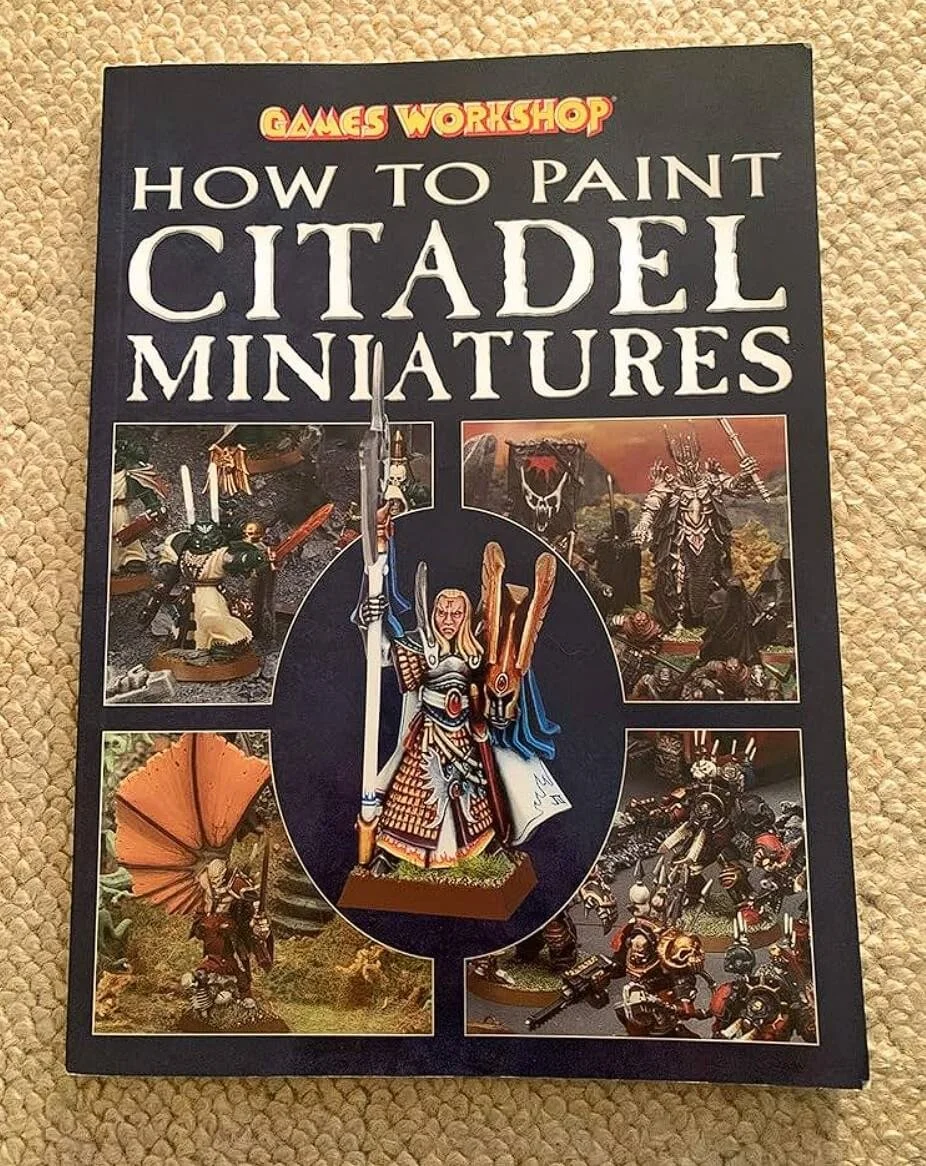
Usually when people ask who I am, I introduce myself as a math student. But of course, I’m also a miniature painter. I started back in 2010, when I first read a “How to paint citadel miniatures” book and was instantly hooked. Since then, I've won a Youngbloods trophy, painted two or three armies and of course just won a Golden Demon trophy.
First of all — congratulations on your Golden Demon win! How did it feel to hear your name called?
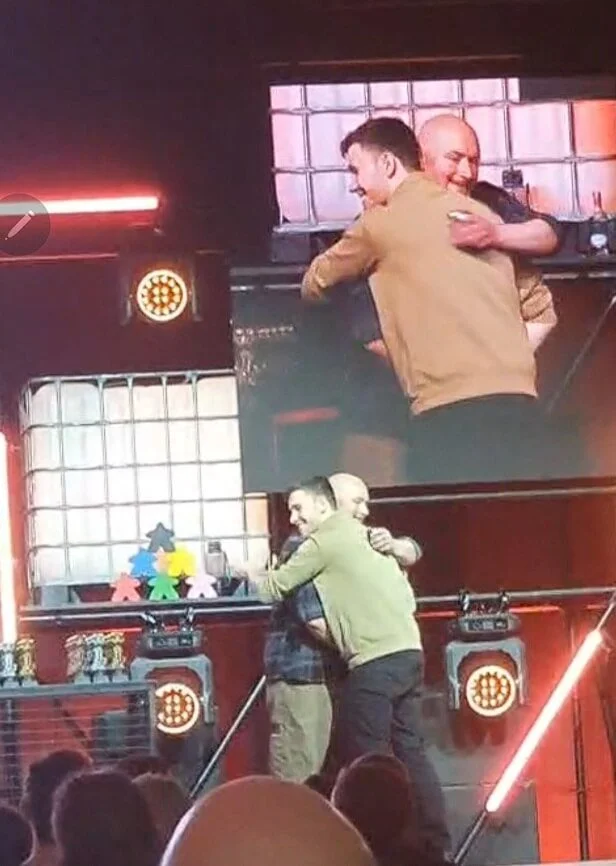
I’ll never forget that moment! There was a flash of my mini on the big screen just before they called my name and then everything was just a blur. I never imagined I would be able to go toe to toe with Hendarion, Ben Komets and NRM and go out with a Gold trophy, but it really happened. It's an experience that completely justified all the hours invested in the project for me!
Tell us about the winning entry. What was the concept behind it, and why did you choose House Ty as your subject?
Oh boy, where do I start 😁 The very first spark was wanting to create something truly unusual, something people haven’t seen before and that could genuinely inspire. Necromunda has such a great palette of wacky models, and the ones from House Ty are no exception. They invite you to be bold and to explore different emotions, a different painting philosophy, and all kinds of strange patterns you wouldn’t normally get to use. From there, I did my best to avoid creative shortcuts and portray these models in a dignified, yet still grim tone.
Before or during the project, did you dive into the lore of House Ty? Were you trying to stay true to the Necromunda setting — especially the aristocratic vibe — or was it more about building your own narrative and atmosphere around the models?
Very good question! I did read a bit into the lore and was very focused on creating something true to the underhive setting. I really wanted to balance the beauty of a Japanese garden with the grime of Necromunda. The model in the white robe is actually barefoot, and that really set my imagination going: what kind of place in the Necromunda universe would be clean enough to walk barefoot in? In the end, I came up with this decaying, run-down techno-Japanese garden. I also wanted to stay true to the GW IP and be respectful of Japanese culture as a whole while avoiding clichés, so there was a lot to balance.
On Guilders-Ford Radio podcast, you mentioned that creating the diorama took approximately 300 hours of work - an astounding commitment! Can you describe the day-to-day process for us, such as painting after work? Did your motivation wane or was it steady throughout?
I finished my exams at uni and immediately got to work, after having conceptualized the idea over the weeks before. I worked nonstop on it, often late into the night, losing sleep and sanity. I was in a kind of mania in which I did absolutely nothing else, and even eating became an afterthought.
In terms of motivation, there were roadblocks, but I got through them just fine. There was a moment when the resin pour went haywire and I genuinely couldn’t take the strain anymore; I broke down for a couple of hours, but I quickly got back on my feet. I really found out through this project that it really is not only about technique but also so much about the mental game.
“It really is not only about technique but also so much about the mental game”
— a line that resonates deeply with the world of Necromunda, a place where willpower, nerve, and mental resilience often matter just as much as any weapon.
So, what happens to a Golden Demon winner once the dust settles? Is your diorama proudly shown off somewhere, or just quietly sitting in your studio? And would you ever sell it — or is it too close to your heart?
Again, such a nice question! It currently sits in a showcase in my home, and I keep looking at it every day with love. It is such a deep source of pride and affection for me. But there is a plan to eventually hand it over to a museum. While I love the piece, I think it is only natural to let it become accessible to everyone. If art could talk and communicate what it wants, I think that is exactly what it would say.
Storytelling, Details & Presentation
You’ve also spoken about the symbolism and storytelling that can be embedded in miniature art. What story or message were you hoping to express through this diorama?
The message I wanted to deliver is that not everything needs to be blunt and violent, and that you should dare to try something new. The piece is full of ideas and mini-stories and is really an attempt to create art. With it, I also wanted to make a counter-statement to the idea that everything in painting needs to be sterile and smoothly glazed, which is a common sentiment among aspiring pro painters in my opinion.
Regarding the story, it goes something like this: the two figures live in a world full of filth and death, yet they do their best to live in it with pride and to display their values through whatever means they have. I imagine they built the pond, the water elements, the fence, and the stacked stones themselves. They know it will all collapse sooner or later, but while it lasts, they tend to it. And that is what gives their life meaning in the underhive. The specific moment portrayed shows how they, along with the two rats, have just become aware of intruders in their sacred garden.
What do the judges see in person that we miss in a single online photo? Is there something subtle in the composition that only reveals itself up close?
Let’s look at the details — the skull in the pond, the rodents, the bamboo gutters, the fencing, the tree. What’s happening on the reverse side of the diorama? Could you walk us through some of these elements and their meaning or function?
Yes, I think there is quite a lot! For instance, the colors of the tree. The tree was airbrushed with magenta, cyan, and greens, while in the photos you can only see the golden brown. Also, the leaves on the base: they have fallen around the stump of the tree and become fewer as they move outward. Or take the moss in the water. There is quite a lot to discover.
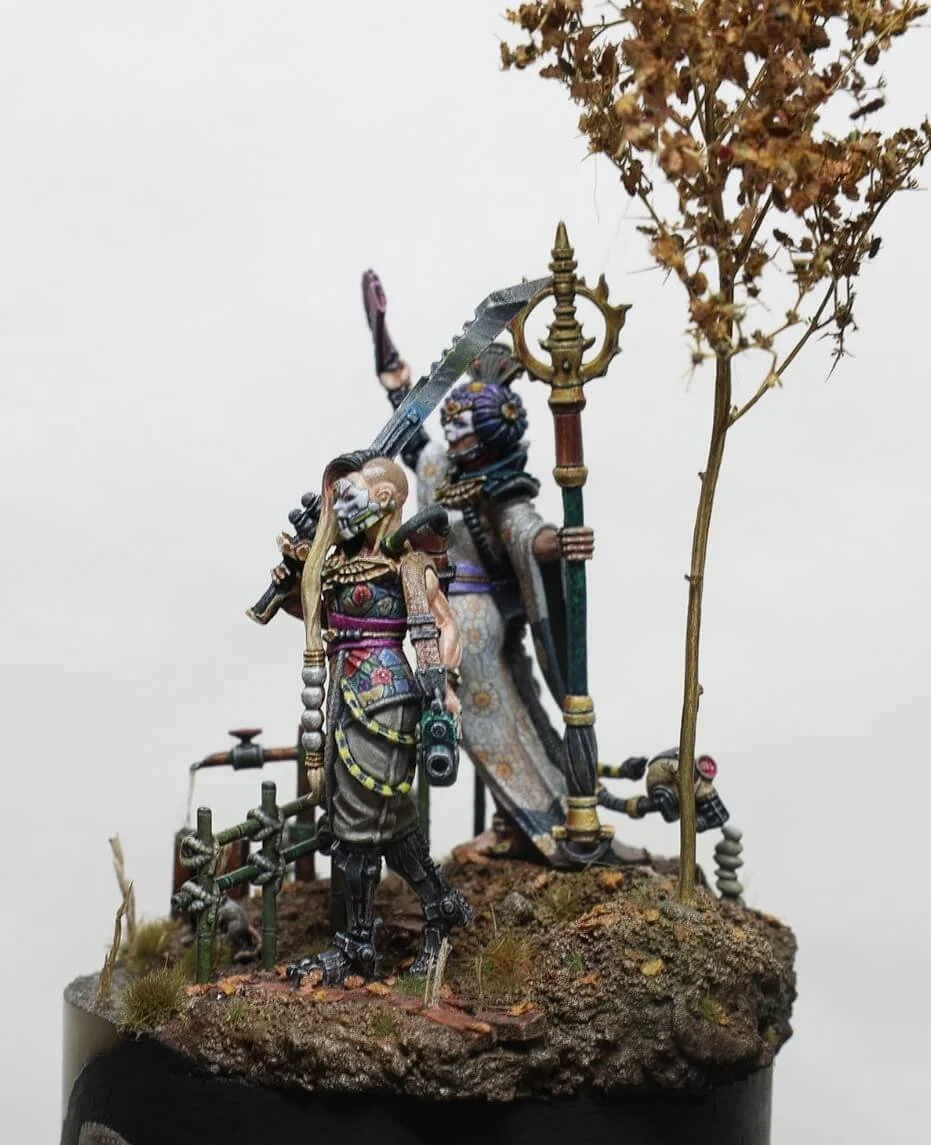
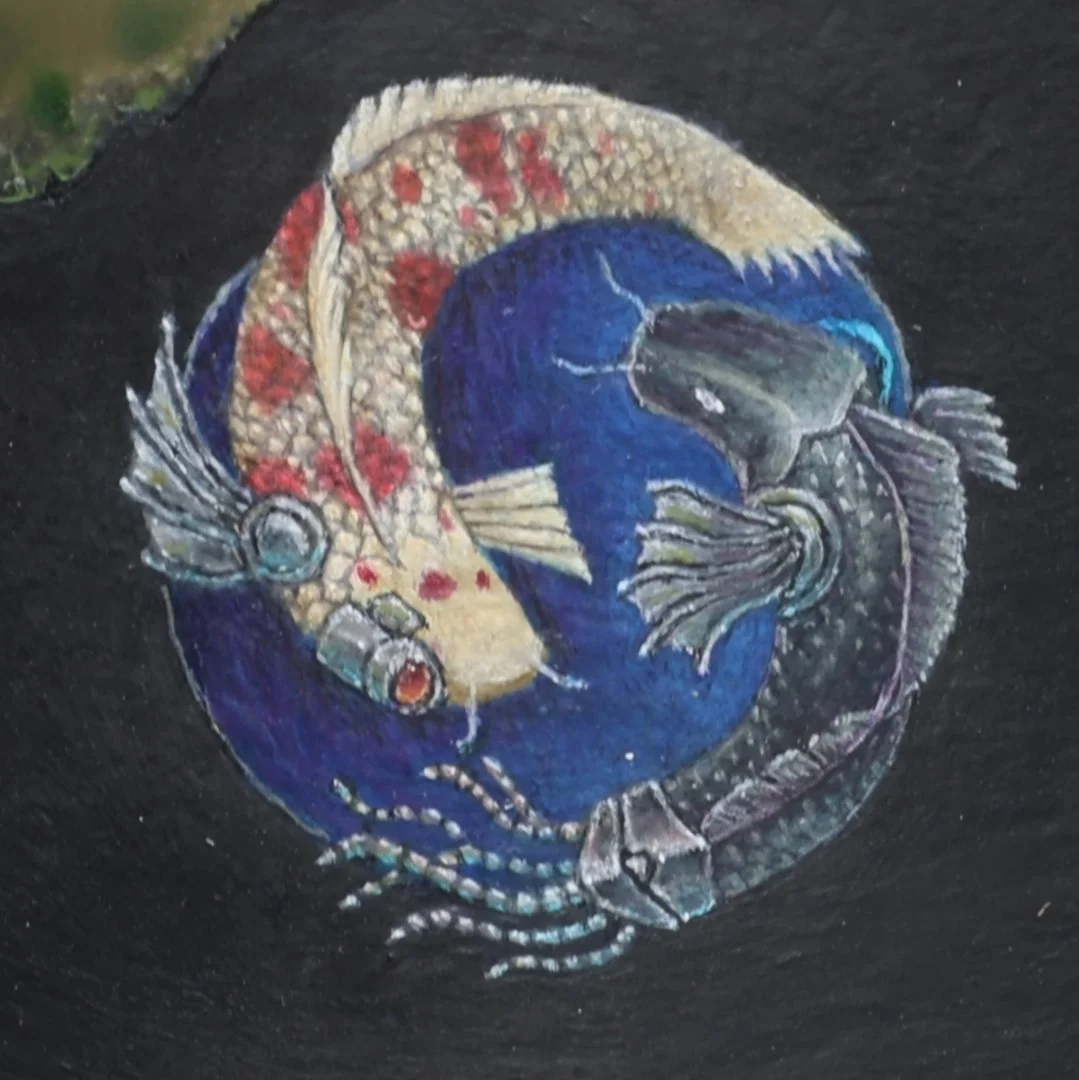
I also want to draw attention to how everything on the base is connected thematically. There is a sense of duality in the miniatures, the rodents, the fish, and the base itself. The fence divides the diorama into an inanimate part that still has a bit of life in it (the rodents) and a living part (the minis) that contains death (the tree), following the Yin–Yang theme. I will break down the complete symbolic analysis on my Instagram when I have time.
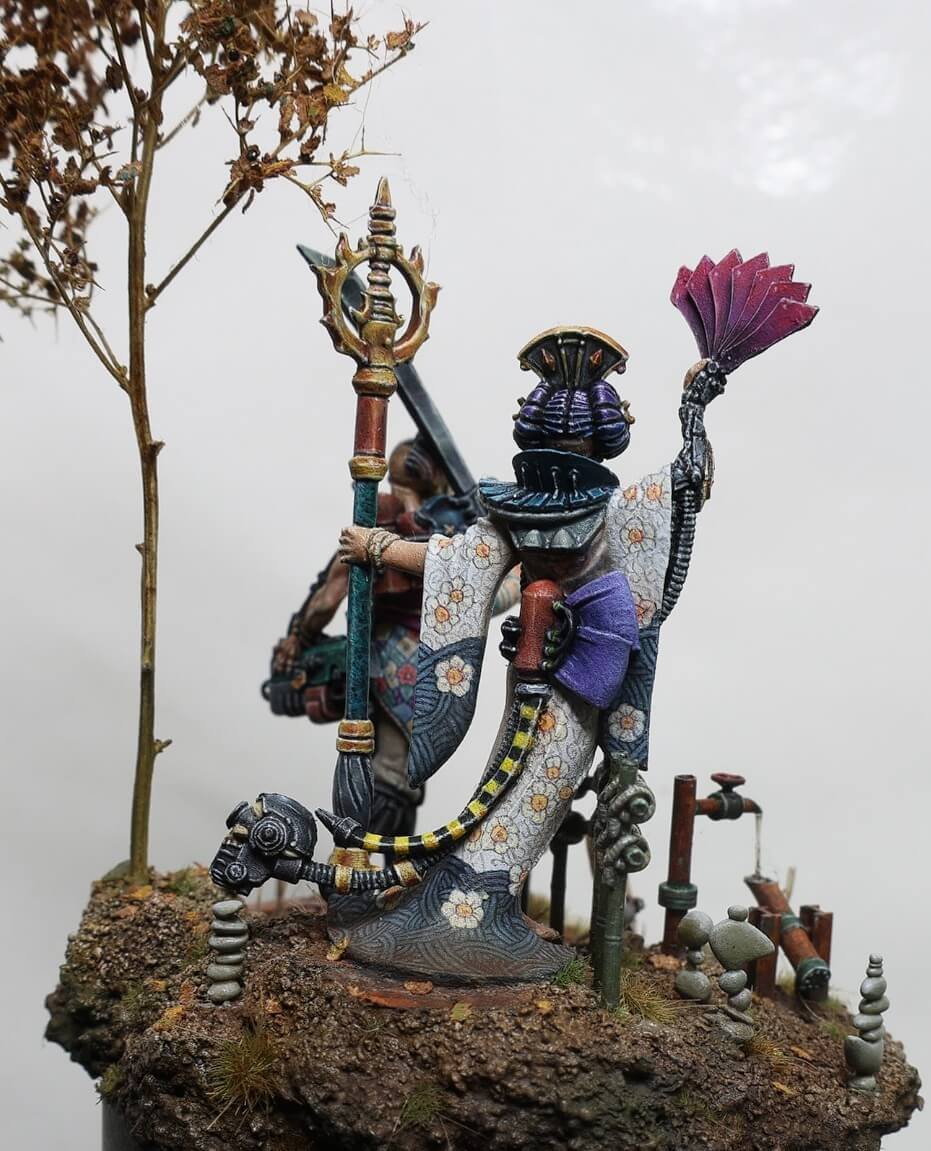



You’ve also raised an interesting point about lighting at events like Golden Demon — how it can misrepresent a piece. Could you talk about that? Do you feel your Instagram photos better reflect how the piece was meant to be seen?
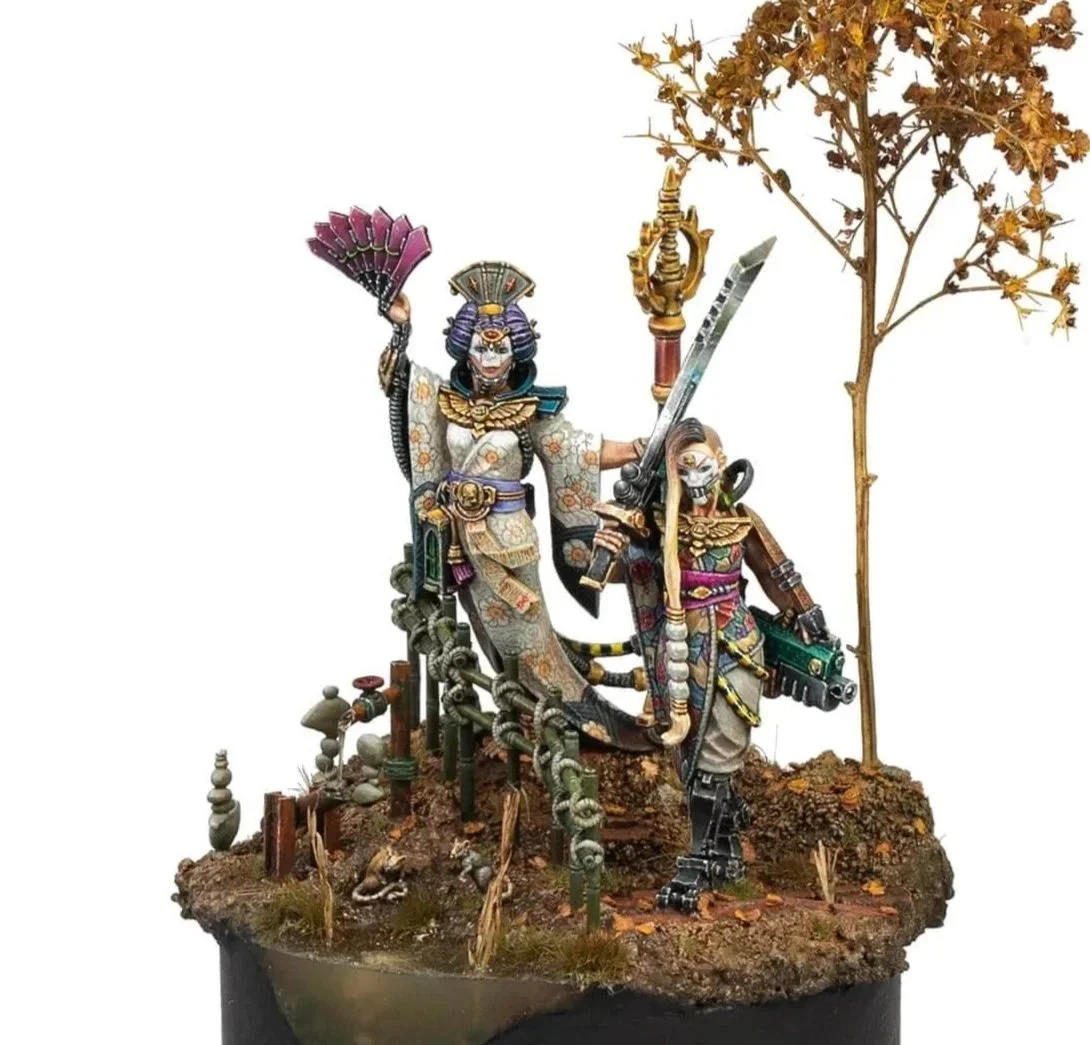
Comparison of both photos—on the left, the photo shown on the Golden Demon website; on the right, the original from Instagram.
Absolutely! Lighting is such an important factor. It can totally change the mood of a model. Just take my photos. One looks like a foreboding intrusion into a sacred space, the other like a leisurely stroll in an autumn garden. But I get that they edited the photos for social media. It's irritating but I have no clever solution to this yet. For some models their approach works, for others it doesn’t.
The Craft, the Mindset & What Comes Next
Were there any parts of the model that were particularly difficult — or particularly satisfying — to paint?
For me, a really satisfying part was the hair of the model with the sword. The creamy color transition is quite unique and was really fun to paint. But the freehands were a bit of a pain. It took around eight iterations of trying and revising to make them look good. And of course, you second-guess your decision to do them the whole time, since this is rather uncommon for Golden Demon.
Do you plan your pieces in advance — with sketches, a color palette, and composition — or do you prefer to let the project evolve naturally as you work?
A mix of both! You should definitely have an idea in mind of what you want to do and achieve, but sometimes you need to go with the flow, accept the material, or simply improvise. For me, the original sketch was quite different from the final product, and that’s just how it goes sometimes.
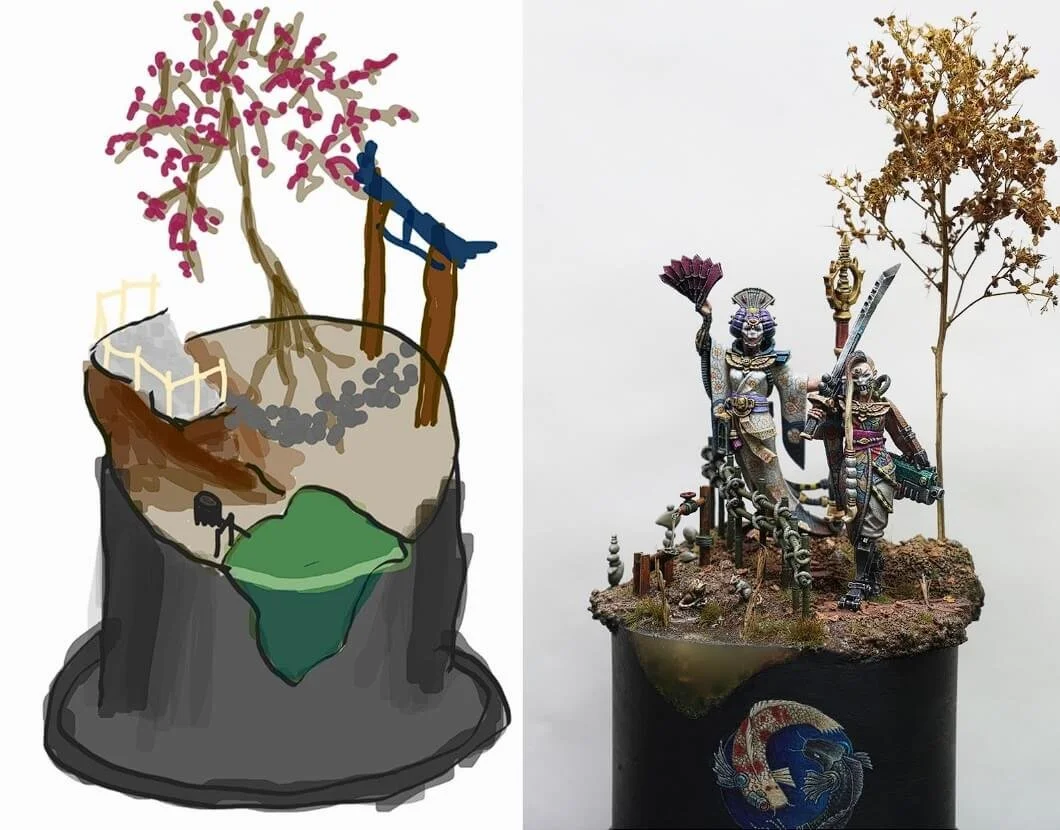
From conceptual sketch to final result
Was this your first time entering Golden Demon? If not, how many times have you competed — and how did this experience compare to the others?
In total, I competed three times: twice in Youngbloods in 2012 and 2013, and then of course this year. Back then, the mini world was very different. There wasn’t an abundance of tutorials, and you had to figure out so much on your own. For instance, in my first competition I didn’t know that plinths were made from wood, so I made one myself out of clay—and it was very wonky. That entry didn’t win anything 😁
Also, the pressure has increased massively. Golden Demon is no longer a nice hobby event but a global, cutthroat competition with drama and heartbreak. But that’s not necessarily a bad thing. It raises the stakes and makes winning even sweeter.

Did you feel any pressure knowing the level of competition? Or was this more about personal artistic expression than winning a trophy?
Oh, the pressure was intense! I almost fainted when I saw I would be going up against Ben Komets. And on the day before handing the piece in, seeing NRM’s models completely finished gave me the rest. I set out with my piece to express myself, but the competitive element was very present and definitely shaped its creation. I’m sure my models wouldn’t be as refined without the pressure of competition and the desire to prove yourself.
In the interview you gave on Guilders-Ford Radio, you made an interesting distinction between “miniature painters” and “miniature artists.” Could you tell us more about that? Which of those labels best fits you — or do you feel like both?
Very good! For me, a miniature painter strives to paint a miniature as well as they can, while a miniature artist tries to express ideas and emotions through minis. I think the natural progression is to start as a painter and then become an artist once you understand the medium and develop the ability to articulate ideas through miniatures. I would categorize myself as a miniature artist, but I still appreciate a good paint job and push myself (for instance on the freehands and faces) to paint as well as I can.
Below is a picture of Roman Lappat. Notice how the brushwork is loose but the emotions are high. This doesn’t mean he has poor brush control; it means he has moved on from trying to prove his technical skill and reached a very mature point in his journey where he paints exactly how he wants.

Roman Lappat’s work
Do you create full backstories or lore for your pieces, or is your focus more on the mood, composition, and technique?
Definitely just the latter! I think creating your own detailed lore for an art piece can sometimes backfire. Art should be an invitation to think about what’s going on, not a directive to follow the artist’s personal interpretation. I also don’t usually add music or other external elements to my pieces nowadays unless they genuinely add to the viewer’s experience.
We know you don’t play Necromunda — but do you play any tabletop or digital games at all? Or is miniature painting your sole entry point into this world?
I do have a Custodes and Tomb Kings army, but they have seen very little play. I am definitely more of a painter than a player.
I enjoy chess quite a lot. For anyone into it: have a look at the Elephant’s Gambit. That is my painting style as a chess opening 🤪
What would you say to someone who wants to take their painting from “good” to “competition-level”?
Find your own voice. Use tutorials and learn from them, but do not copy without thinking. Focus on storytelling and emotion. That is what separates a painter from an artist.
Also, give coaching a try and harass some pro painters for advice. They are most often happy to help.
Are there any artists — from the miniature hobby or beyond — who influence your work or inspire you creatively?
Of course. Ben Komets was a major inspiration and an idol of mine. He always produces something interesting and introspective. And oh my god, just look at his Necromunda entry. The creativity was off the charts. He converted his entry with a literal walnut. I think his style is really underappreciated nowadays, but the mini scene would not be the same without him.
Also Wintergatan and the watchmaker Henri Maillardet. Just look them up.
What’s next for you? Do you plan to enter Golden Demon again in the future? And if so, will it be another Necromunda project — or something entirely different?
I am working on a mega-project now with the goal of going for the Slayer Sword in two years, but it is still top secret 😉
Tell us about a funny, weird, or unforgettable moment from your painting journey — whether at your desk, at an event, or online.
I think that for everyone who was around during that time, the Painting Buddha era of miniature painting was just amazing. It was an initiative by Michael Bartels and Ben Komets back in 2013 that aimed to bring pro-level miniature painting tutoring to people at an affordable price through DVDs. Sadly, it was not financially sustainable, but it really defined the space back then.

Michael Bartels is hard to get in contact with today. I hope that wherever he is, he knows that one of his students just got a proper Golden Demon.
Do you listen to music while painting? If so, what gets you in the zone — any specific genres, albums, or artists?
Oh there's one song I like to share. Technoir by Pertubator https://youtu.be/NWQKiefZ-XI?si=2YnsnHyy390HT_pA along with the AMV, was such a vibe while painting. It probably made me spiral even deeper into the painting mania, but I don’t regret anything. I also listened to music by Paradelous. Their tracks are excellent if you are in a deep competition mindset.
And finally — you know the drill. Create your own custom Necromunda tactic card. Give it a name, write the rules, and leave your mark in the Hive.
Ok I want to shamelessly use this meme from the Richard Gray Discord Server.
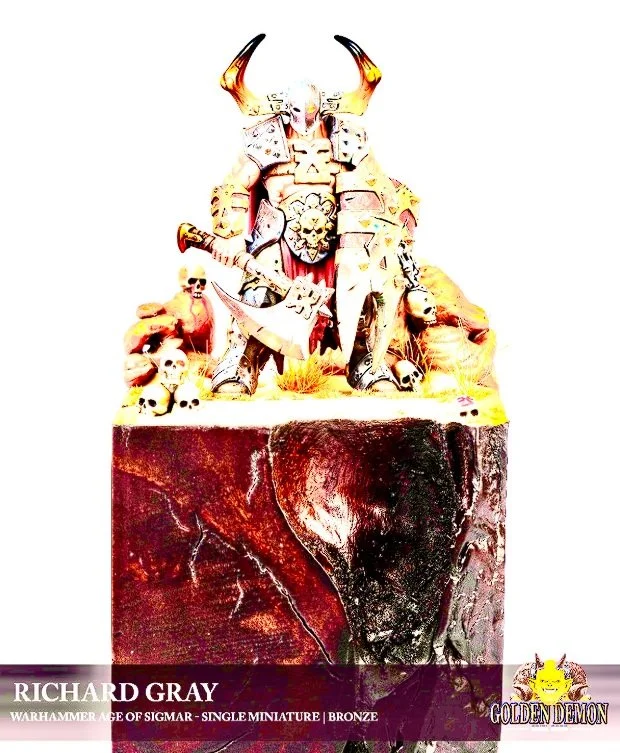

Thank you for your time and for the great interview. Thank you also for contributing to the promotion of this excellent system.
Thank you as well. These were such great questions. I am looking forward to being interviewed by you again in the future :)
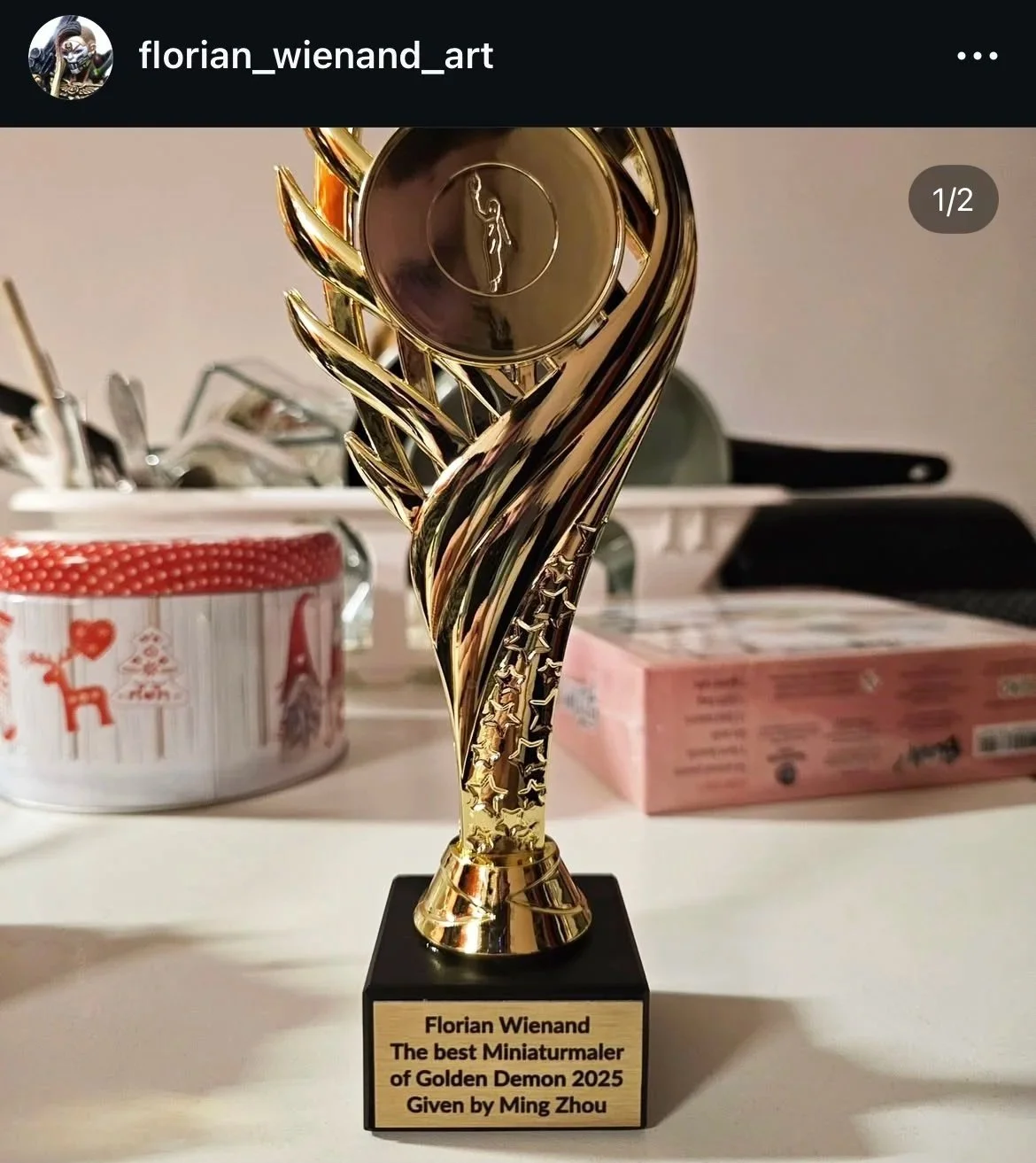
But in the end, maybe the real prize wasn't the Golden Demon trophy at all...
Florian's girlfriend had thoughtfully prepared a "backup trophy," in case things did not go according to plan - as a small yet heartfelt reminder that true victory can only come from supporting and believing in oneself as opposed to being awarded by judges.